Search ReefScales
Results for "Pests"
19 launch-approved results
Search results for "Pests"
 ARTICLE
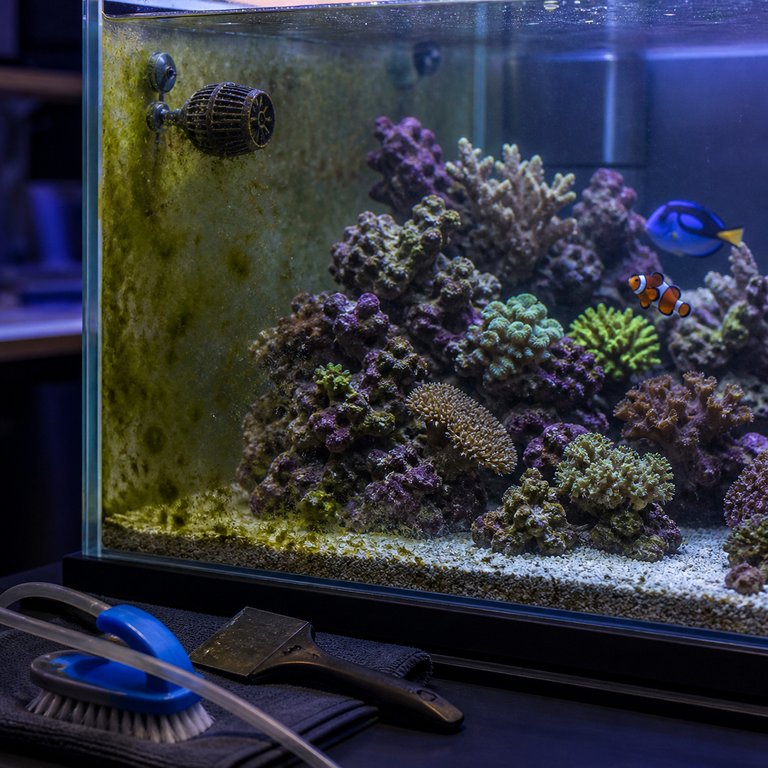
Vermetid Snails
Vermetid snails are tube-dwelling pests that spread on rock and frag plugs and feed with sticky mucus webs. Their webs can irritate corals and...
 ARTICLE
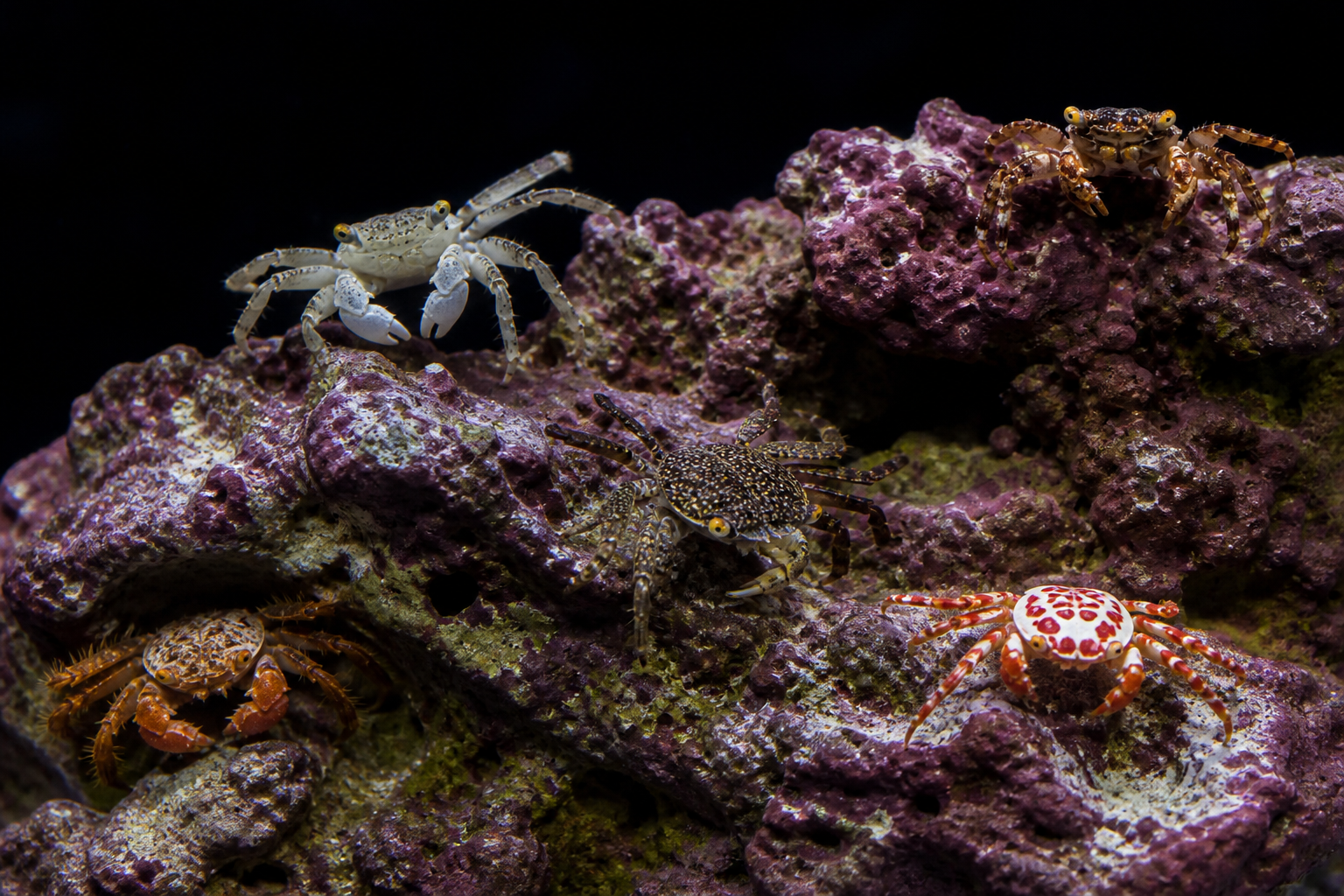
Gorilla Crabs
Gorilla/xanthid crabs are common hitchhikers that can become predators in reef tanks, often causing mystery snail and hermit losses. Because many are nocturnal and...
 ARTICLE
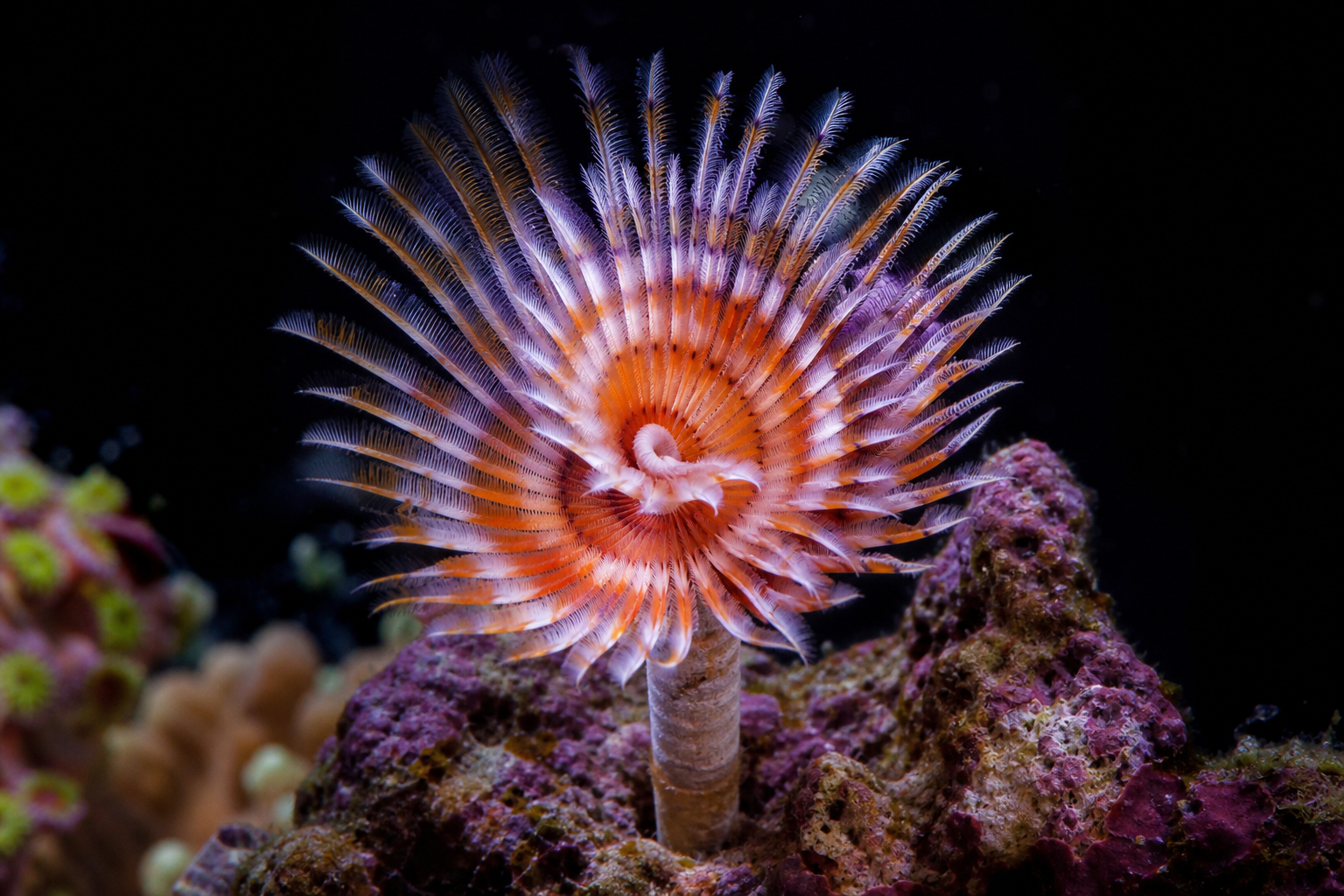
Spirobid Worms (Spirorbidae spp.)
Spirorbid worms are tiny white spiral tube worms that commonly appear in reef tanks and are usually harmless hitchhikers. The main trust challenge is...
 ARTICLE
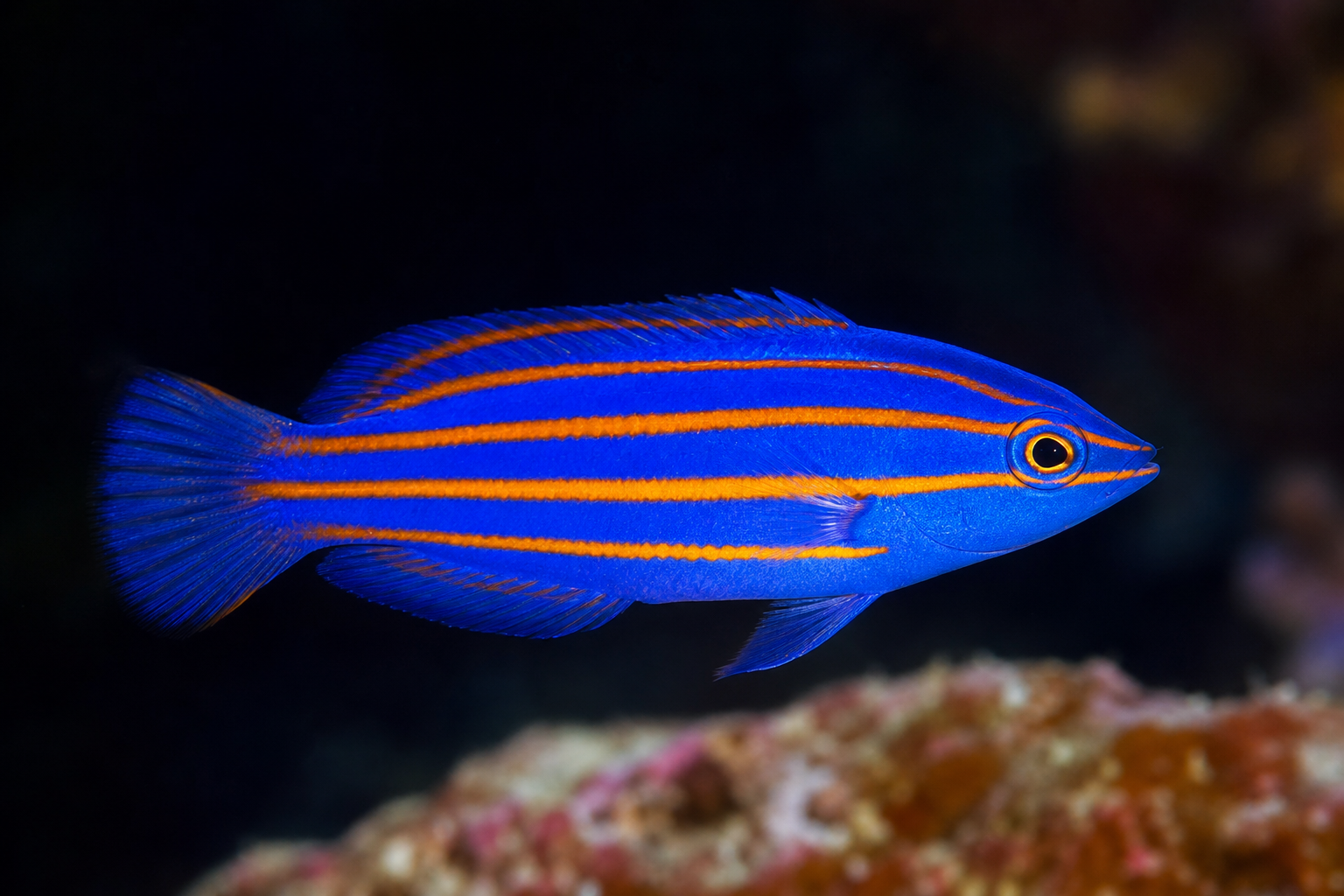
Six-Line Wrasse
A colorful, energetic wrasse that patrols rockwork all day and is usually easy to feed. Reef safe, but temperament can become aggressive over time—especially...
 ARTICLE
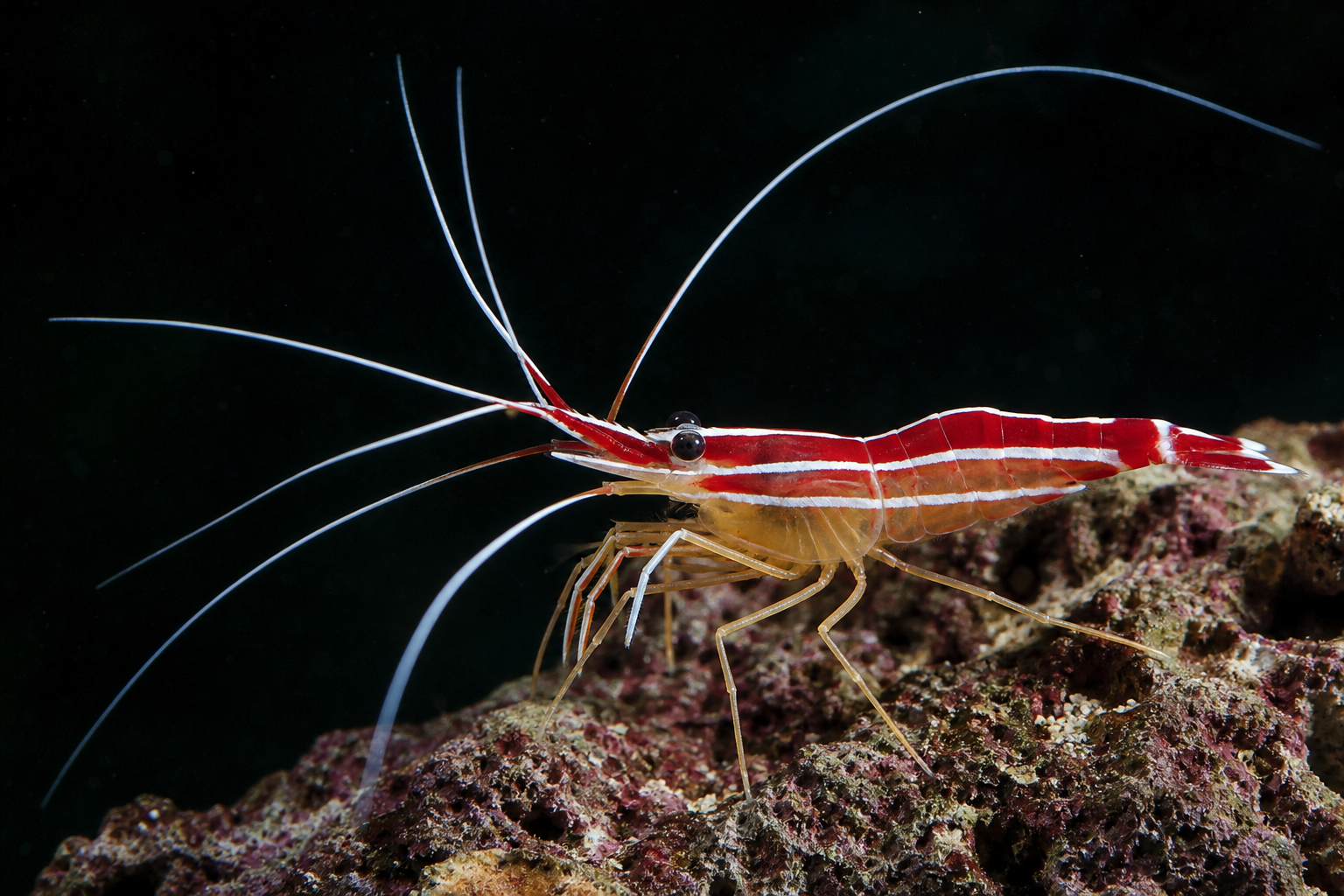
Peppermint Shrimp
Peppermint shrimp are hardy, opportunistic scavengers that fit well into many reef tanks when expectations are set correctly. They’re mostly nocturnal, tend to stay...
 ARTICLE
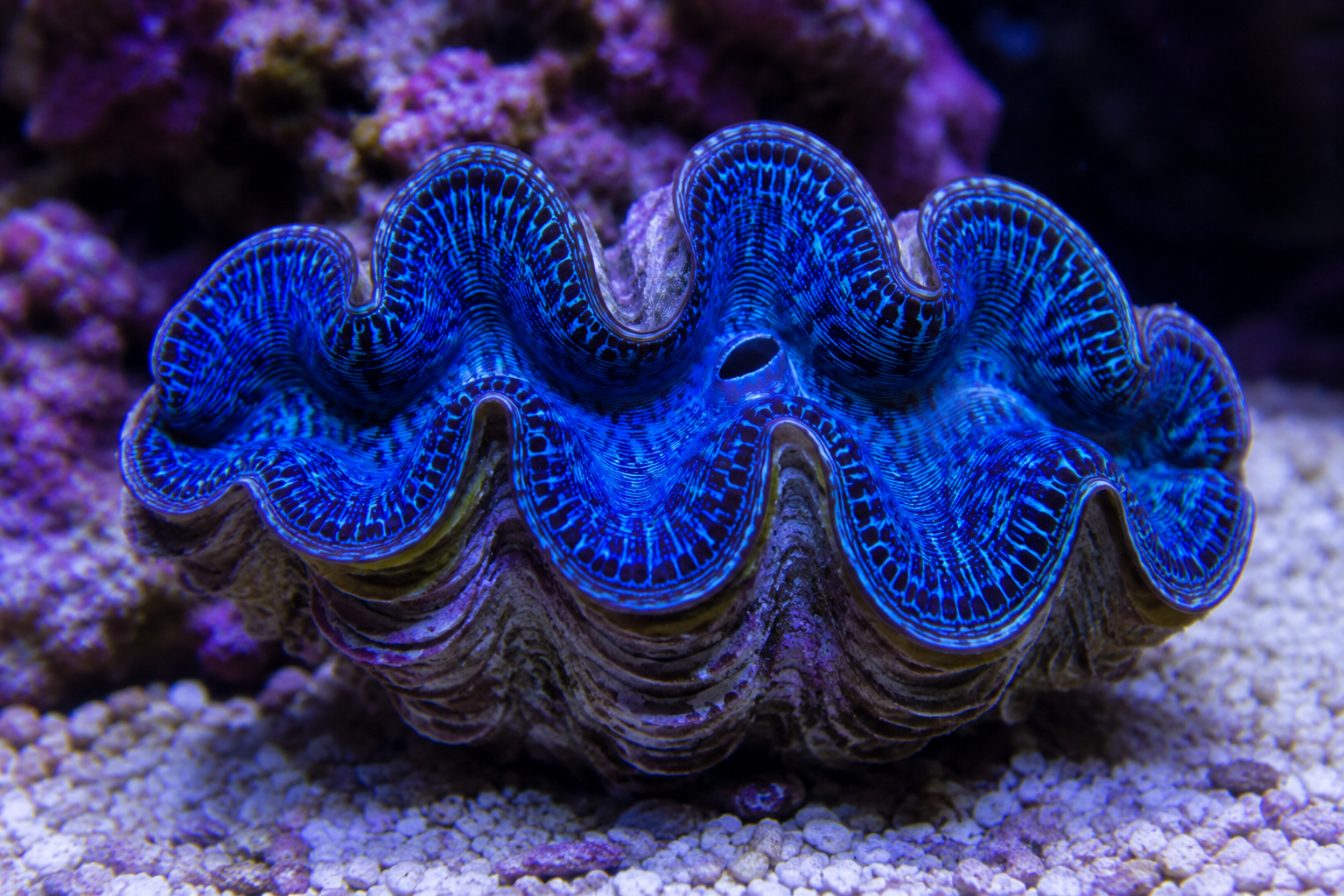
Tridacna Clam
Tridacna clams are light-driven reef animals that thrive only in stable, mature systems. Strong, consistent lighting and steady alkalinity and calcium matter far more...
 ARTICLE
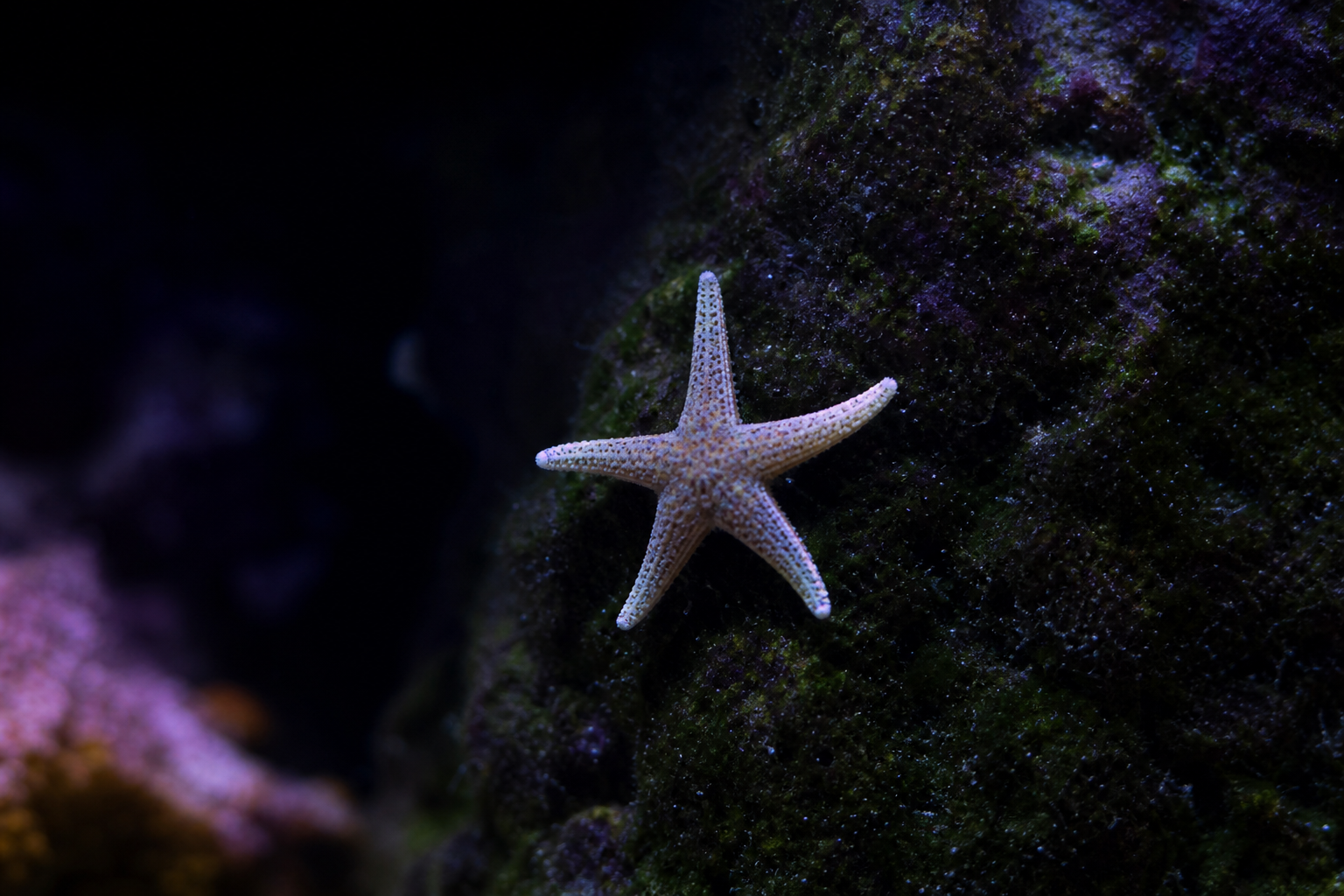
Asterina Starfish
Asterina starfish are common hitchhikers that usually act as harmless algae and biofilm grazers. In balanced tanks they stay in low numbers and do...
 ARTICLE
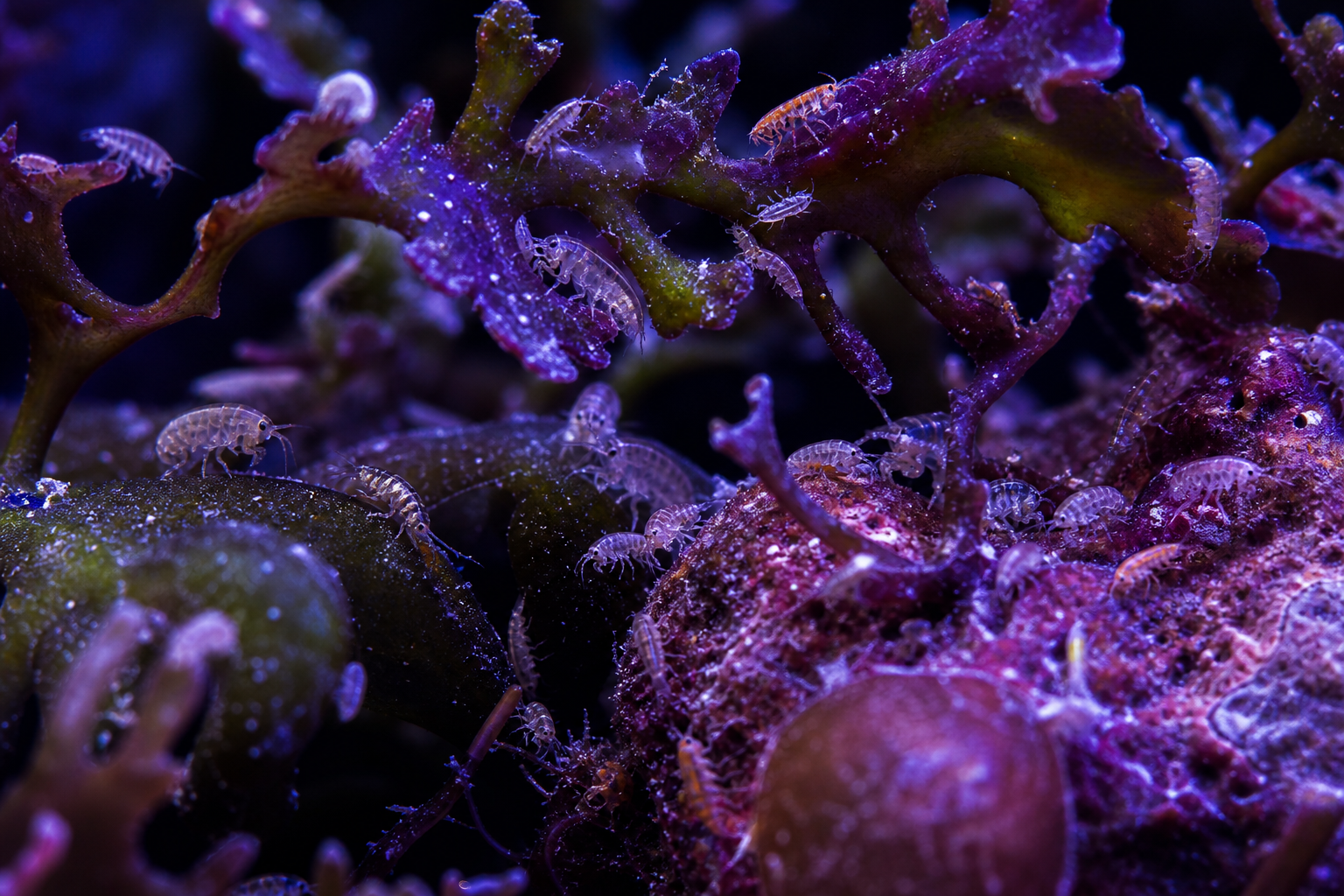
Amphipods
Amphipods are beneficial micro-crustaceans that support reef stability by recycling waste and serving as natural live food for fish. They thrive in tanks with...
 ARTICLE
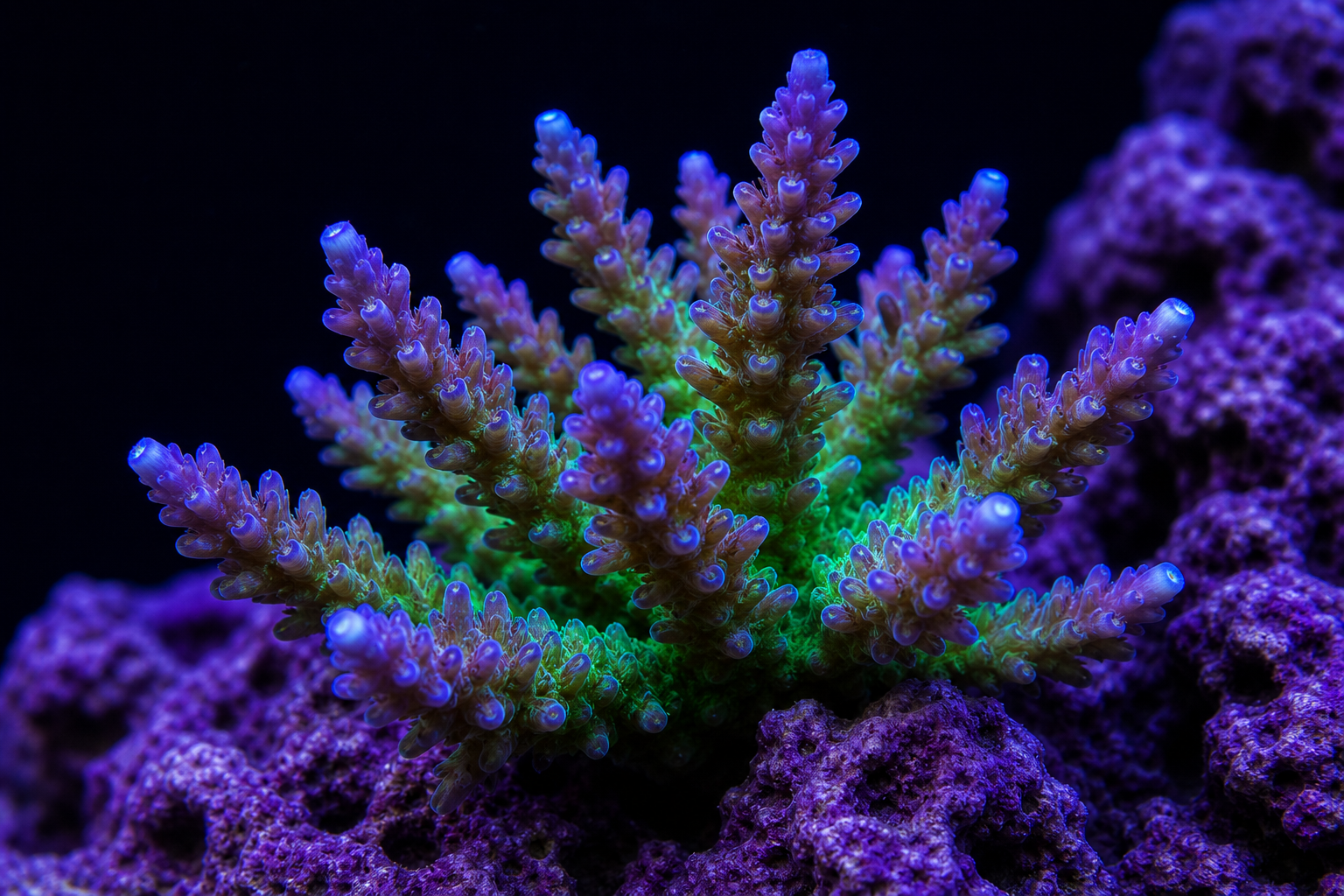
Acropora-Eating Flatworm
AEFW are Acropora-specific flatworms that eat coral tissue, causing bite marks, poor polyp extension, and slow SPS decline. They spread mainly through unvetted Acropora...
 ARTICLE
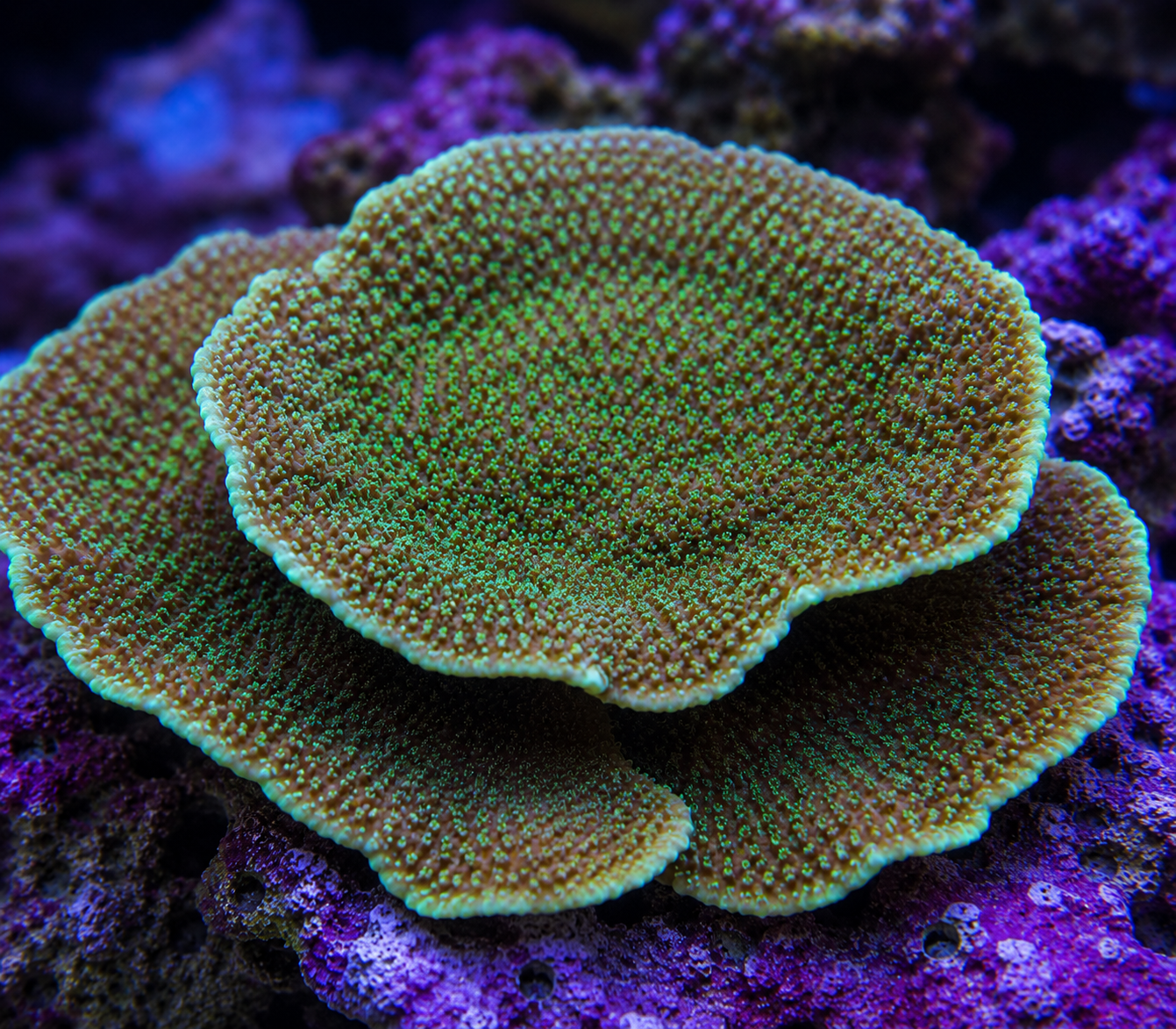
Montipora-Eating Nudibranch (Phestilla subodiosus)
Montipora-eating nudibranchs are tiny coral predators that chew Montipora tissue, causing “nibbled” edges and scraped white bite patches. They hide on undersides and lay...
ARTICLE
Zoanthid-Eating Nudibranch
Zoanthid-eating nudibranchs are tiny, camouflaged predators that eat zoa polyps and can wipe colonies fast. They hide in mats and lay eggs, so outbreaks...
 ARTICLE
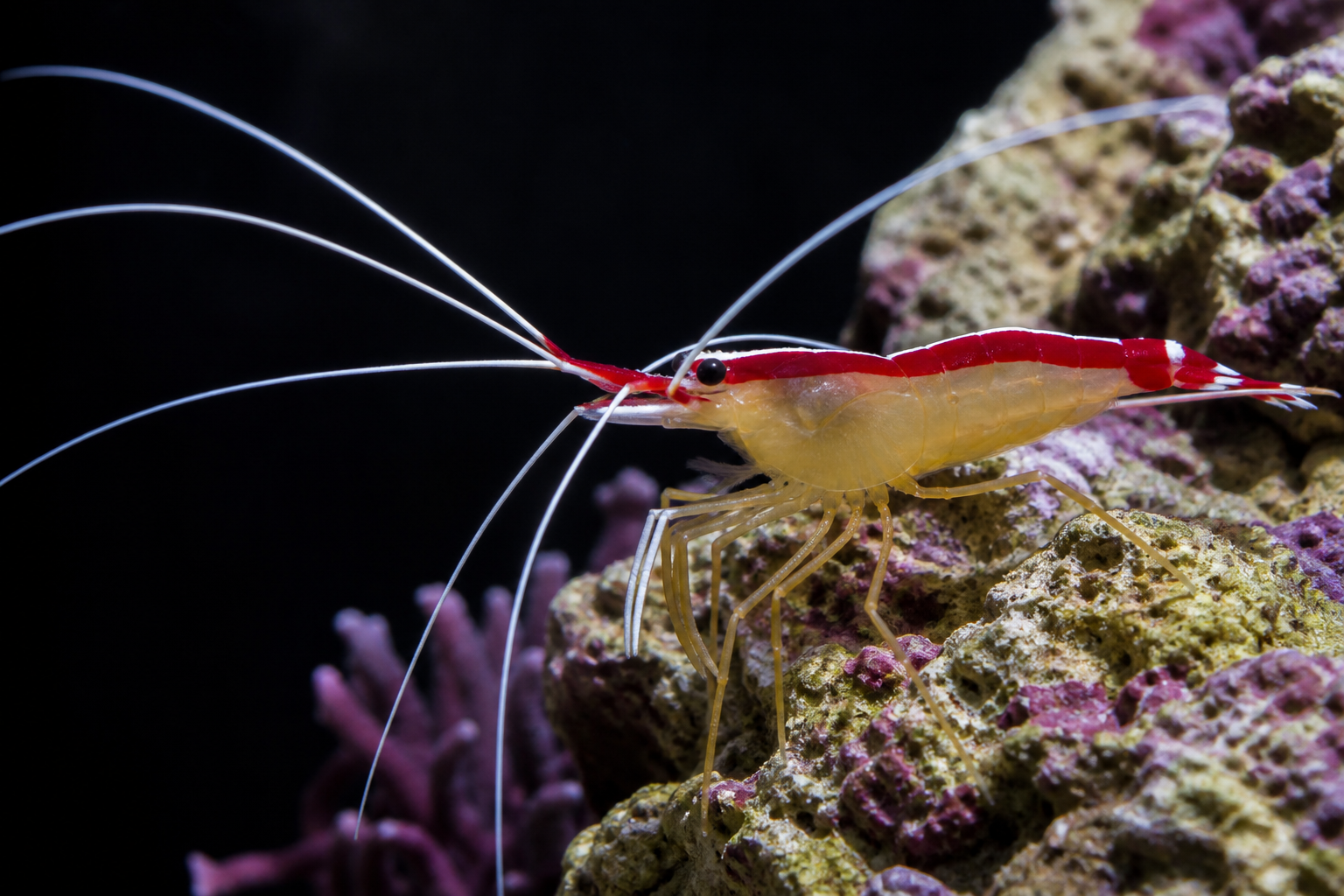
Mantis Shrimp (Stomatopoda)
Mantis shrimp are predatory hitchhikers that often reveal themselves through clicking sounds and disappearing snails or hermits. They’re fascinating animals, but not reef-safe in...
ARTICLE
Acropora Red Bugs (Tegastes acroporanus)
Acropora red bugs are tiny parasitic copepods that irritate Acropora, causing reduced polyp extension, dull color, and slowed growth. They spread easily via new...
ARTICLE
Christmas-Tree Hydroid
Fire/Christmas-tree hydroids are stinging Pennaria colonies that look like tiny feathery “mini trees” on plugs, racks, and sump/overflow surfaces. They can irritate corals—and sting...
ARTICLE
Myrionema Hydroids
Myrionema hydroids are stinging colonial polyps that often spread around zoa mats and frag plugs, causing localized zoanthid irritation and persistent closure. They thrive...
ARTICLE
Hydroids
Hydroids are stinging colonial polyps that hitchhike into reef tanks and can spread across plugs, racks, and rockwork. They often irritate corals and cause...
ARTICLE
Waminoa Coral Flatworms (Waminoa spp.)
Waminoa are small flatworms that sit on coral tissue and can create chronic irritation, shading, and reduced extension when populations build up. They are...
ARTICLE
Bobbit Worm (Eunice aphroditois)
Bobbit worms are hidden ambush predators that live deep in rock or sand and can cause strange fish, snail, or crab losses. They are...
ARTICLE
Coral-Boring Spionid Worms (Spionidae spp.)
Coral-boring spionid worms live in or around coral skeleton and feed with paired filaments that can irritate tissue and contribute to localized recession. They...