Search ReefScales
Results for "cleanup crew"
28 launch-approved results
Search results for "cleanup crew"
 ARTICLE
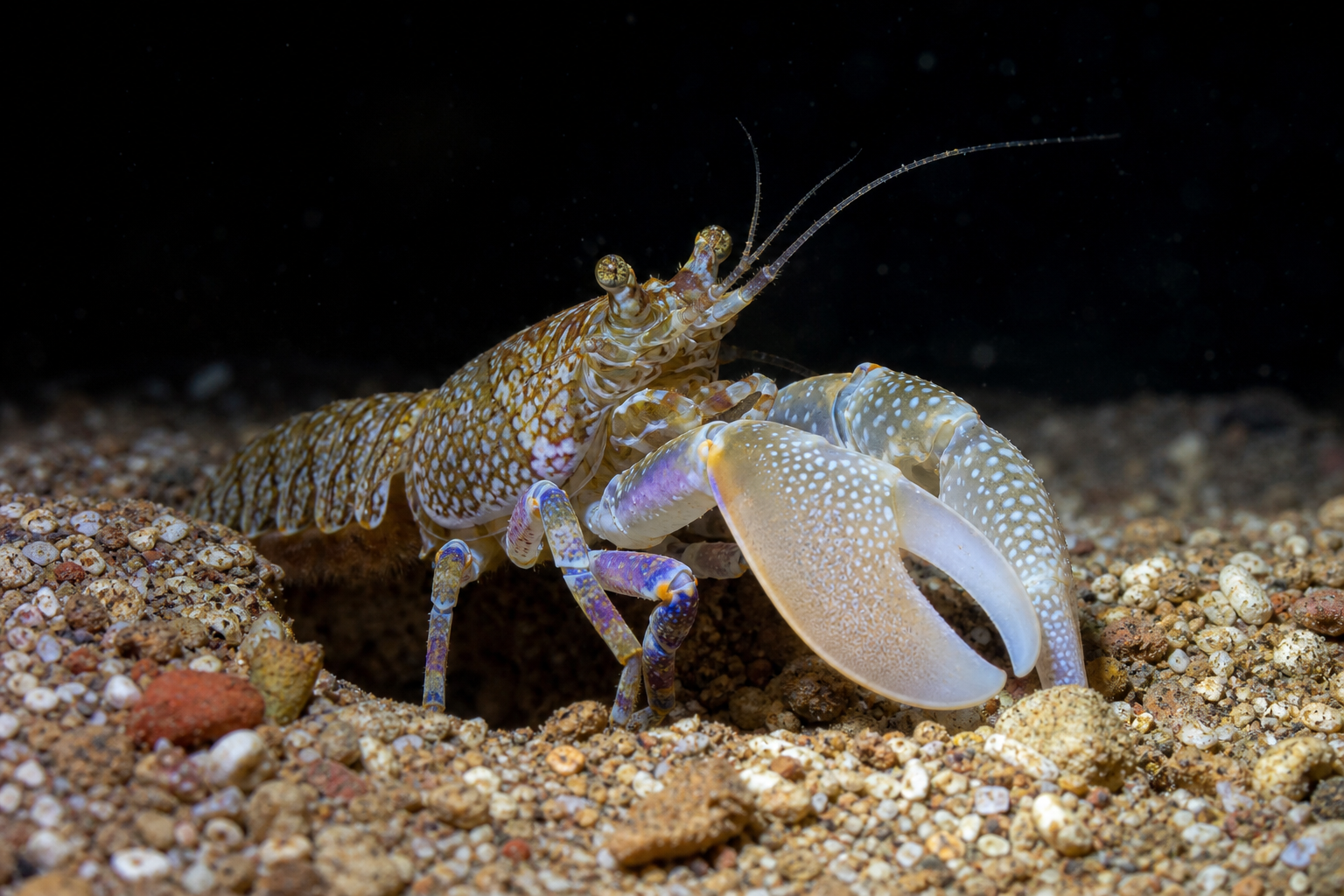
Pistol Shrimp
Pistol shrimp are burrowing engineers that reshape the sandbed, move rubble, and make their presence known with characteristic snapping. They aren’t cleanup crew and...
 ARTICLE
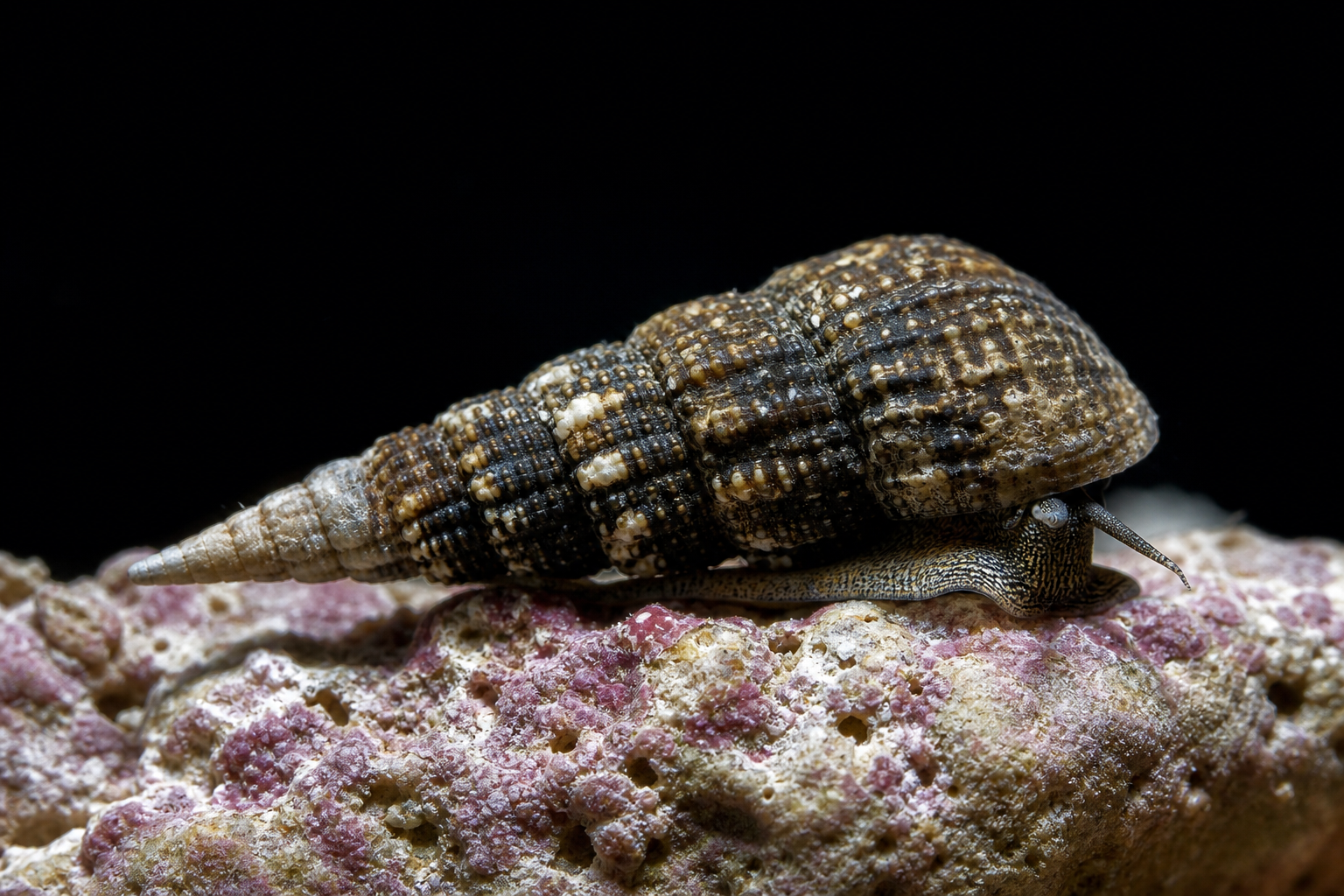
Trochus Snail
Trochus snails are reliable, reef-safe algae grazers that work on both glass and rock without needing constant attention. They’re especially valued for their ability...
 ARTICLE
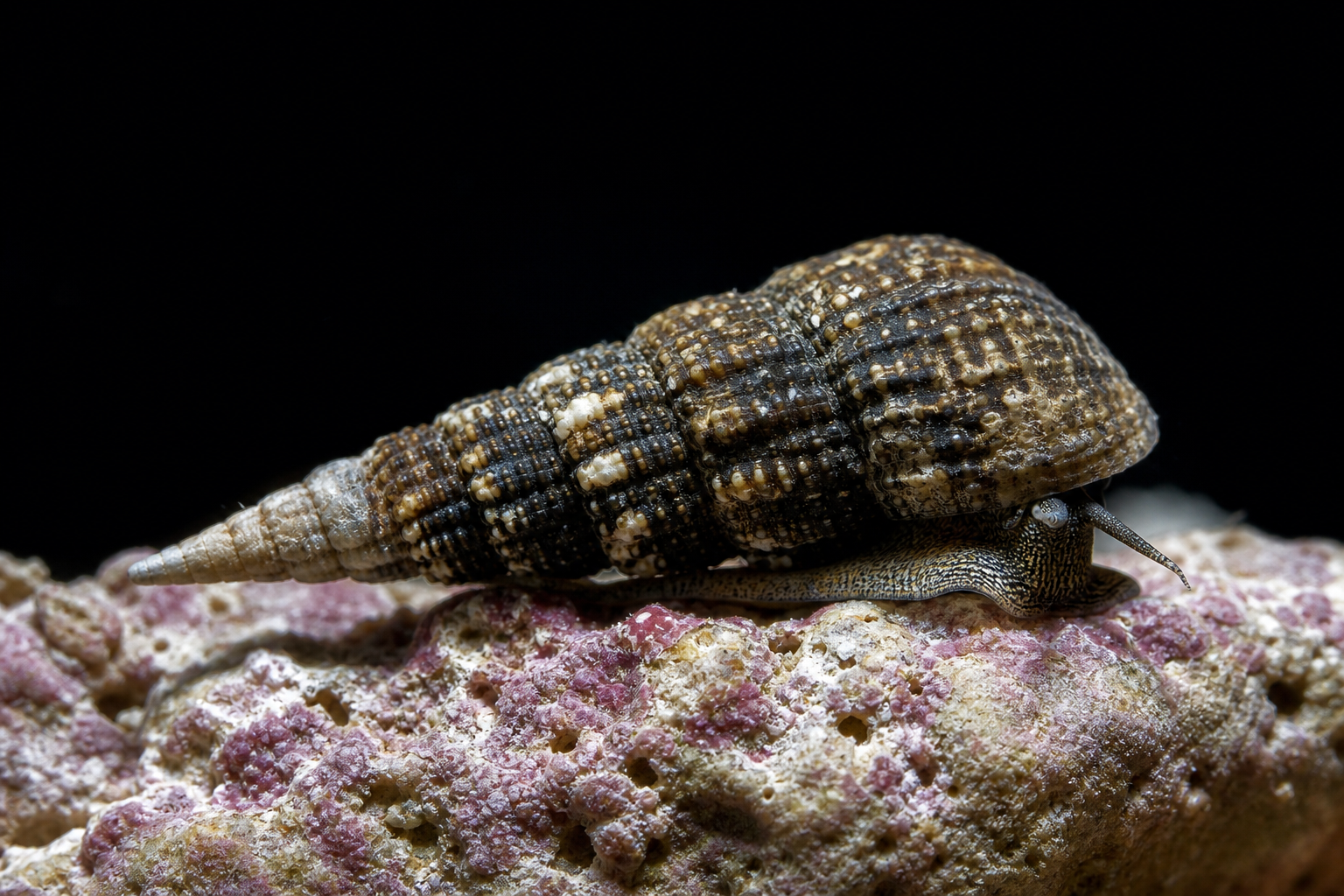
Cerith Snail
Cerith snails are versatile, reef-safe grazers that work across rock, glass, and sandbed edges, making them one of the most useful cleanup crew snails...
 ARTICLE
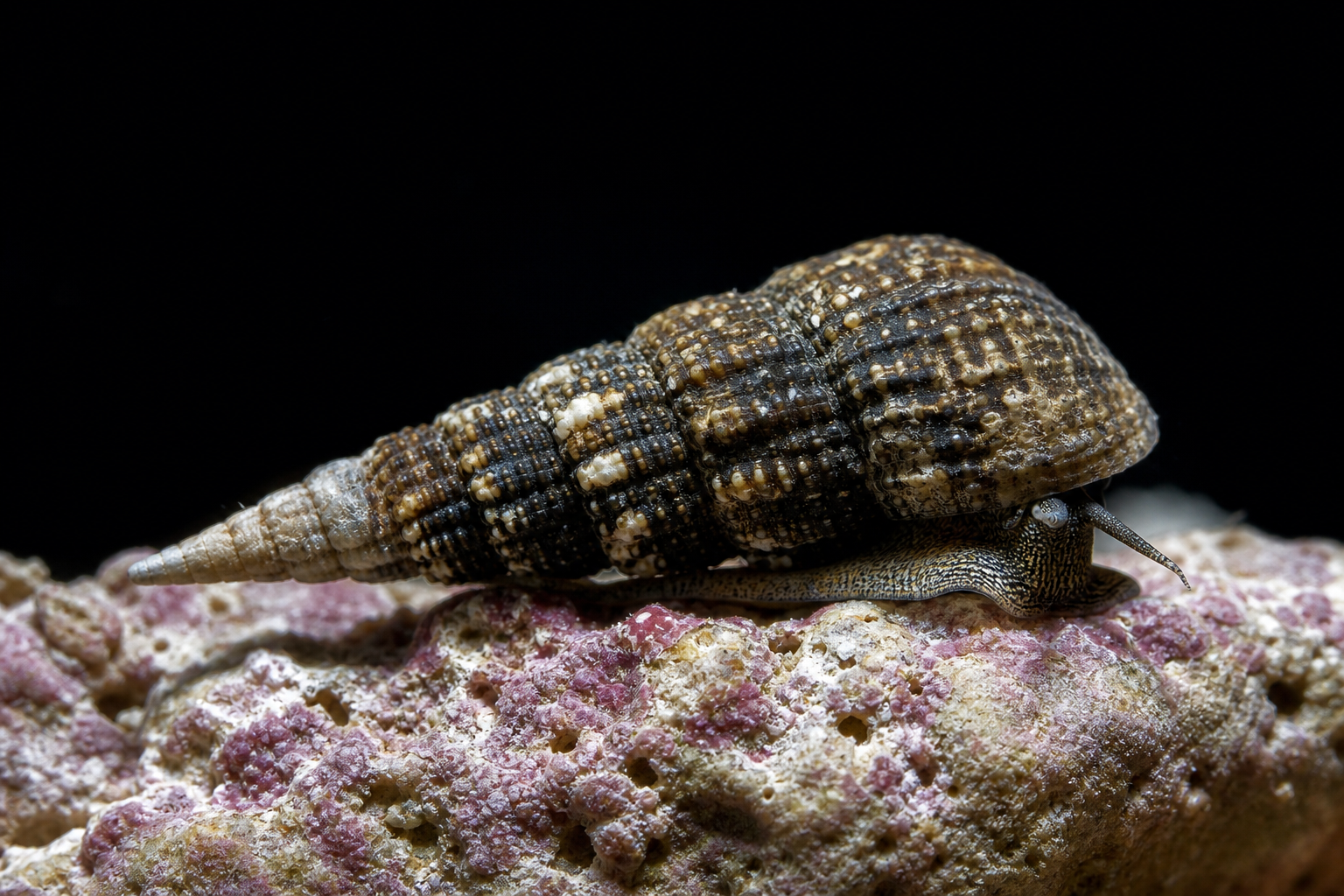
Astraea Snail
Astraea snails are reef-safe algae grazers that clean film algae and biofilm from rock and glass. Their main downside is that many can’t flip...
 ARTICLE
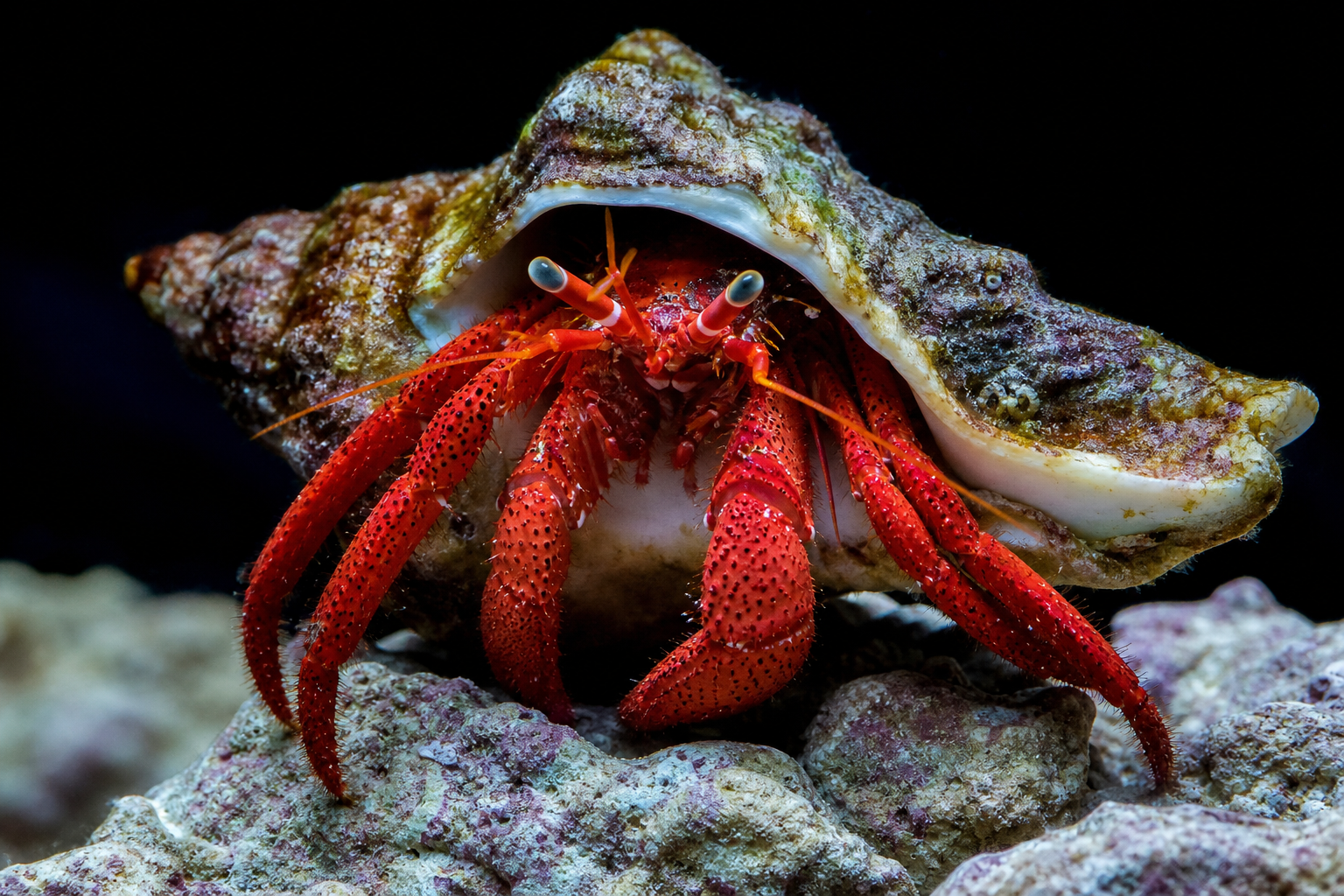
Scarlet Hermit Crab
Scarlet hermit crabs are one of the most reef-friendly hermits available, known for grazing algae and biofilm without causing much trouble. They do best...
 ARTICLE
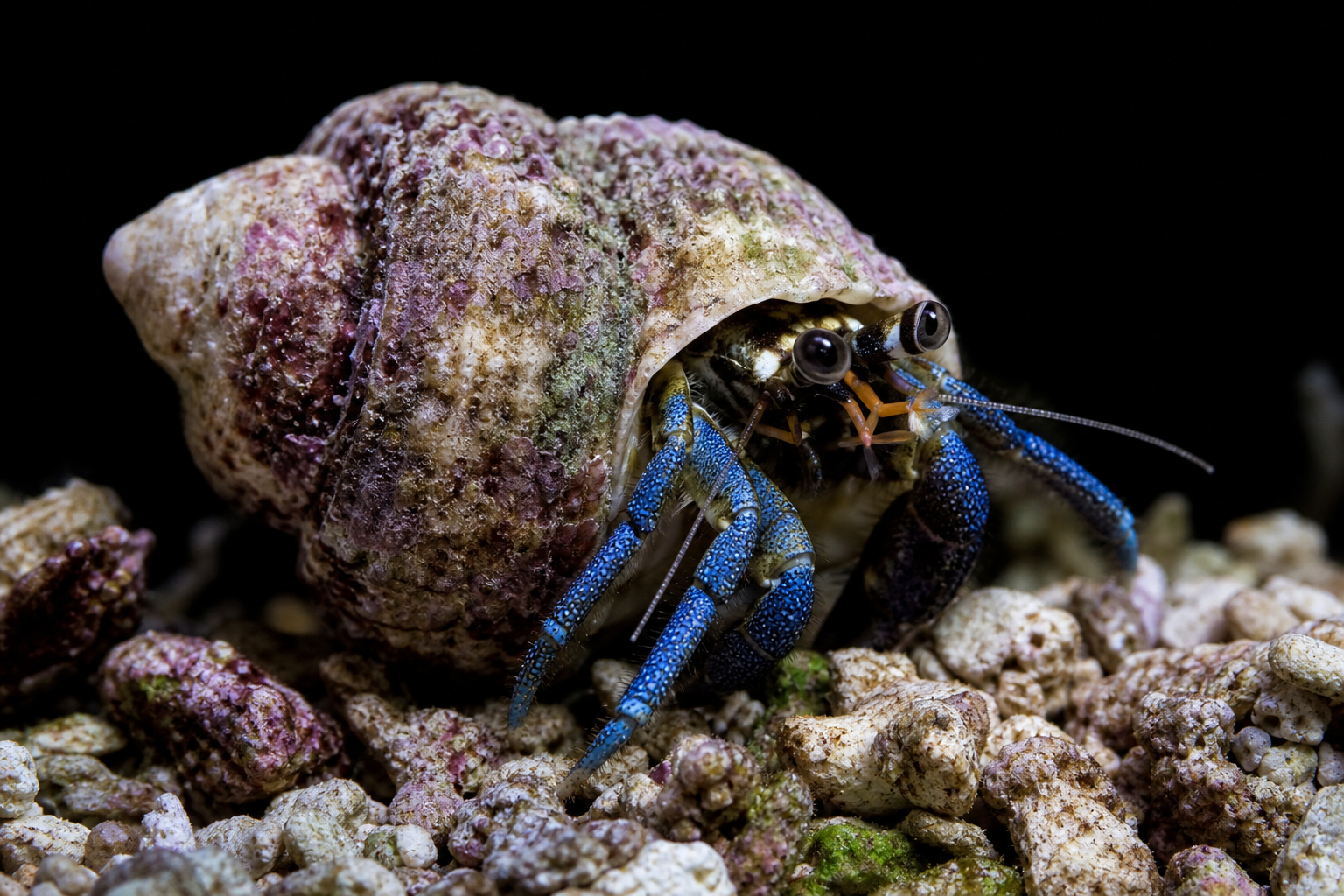
Blue-Leg Hermit Crab
Blue-leg hermits are active, hardy scavengers that help with algae and leftover food, but they’re more aggressive than scarlet hermits. Their biggest downside is...
 ARTICLE
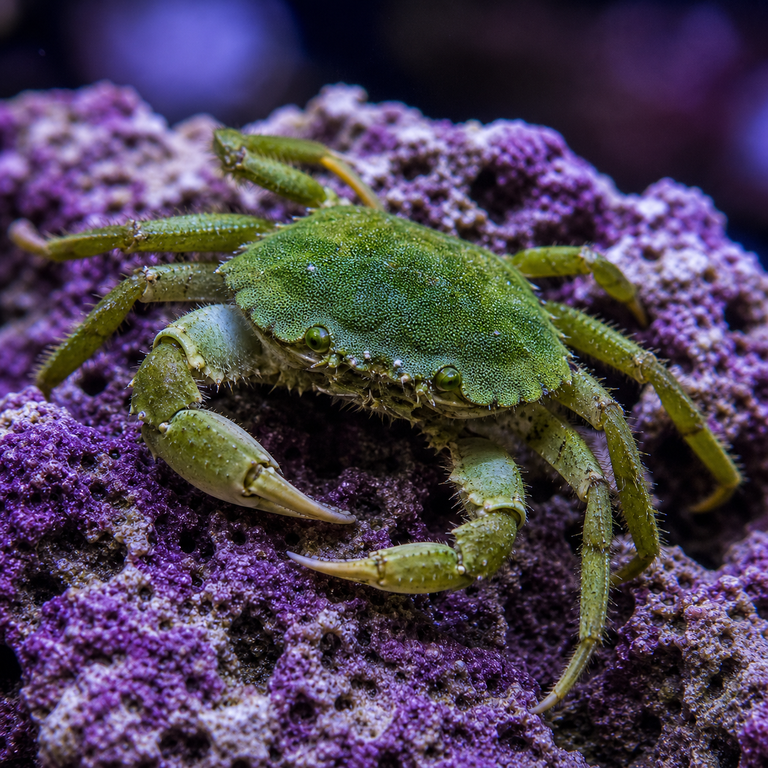
Emerald Crab
Emerald crabs are opportunistic algae grazers that can be very effective when algae is present, especially bubble algae. They’re reef safe with conditions, but...
 ARTICLE
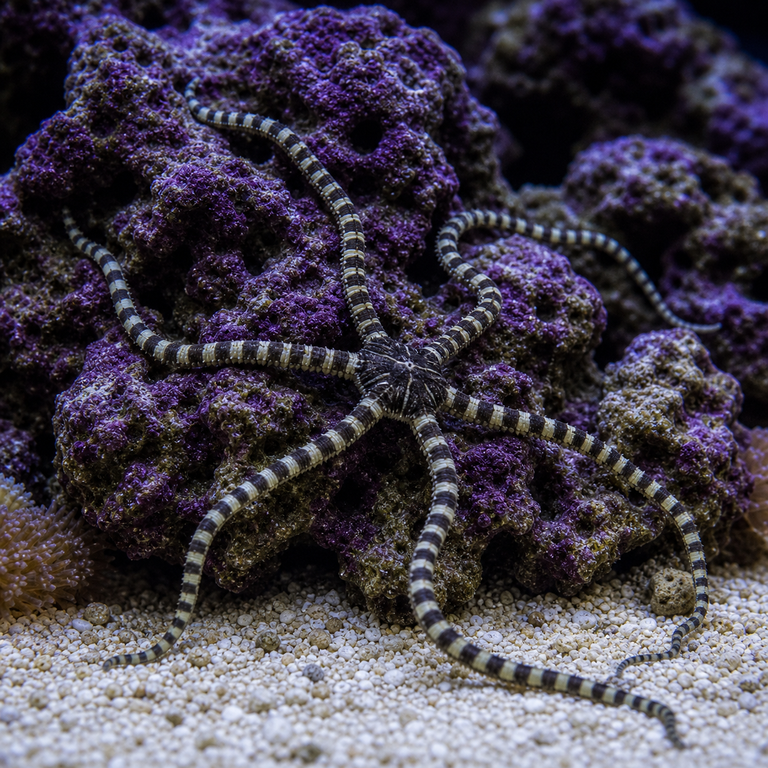
Serpent Star
Serpent stars are hardy, reef-safe scavengers that live in rockwork and clean up leftover food before it becomes a nutrient issue. They’re mostly nocturnal...
 ARTICLE
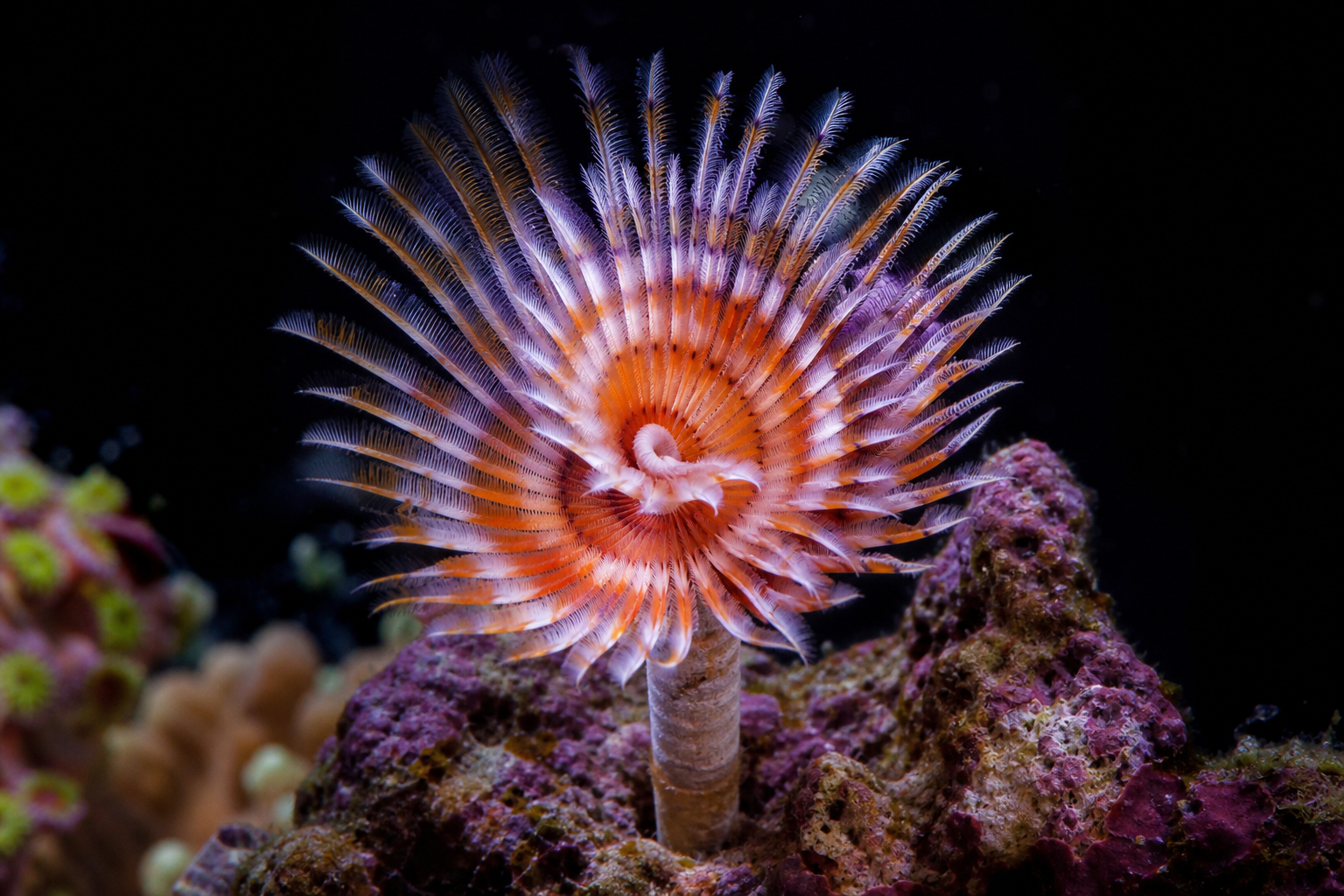
Bristleworms (Eurythoe spp.)
Bristleworms are common reef hitchhikers that usually act as useful scavengers, but their appearance makes people fear them long before they understand their role....
 ARTICLE
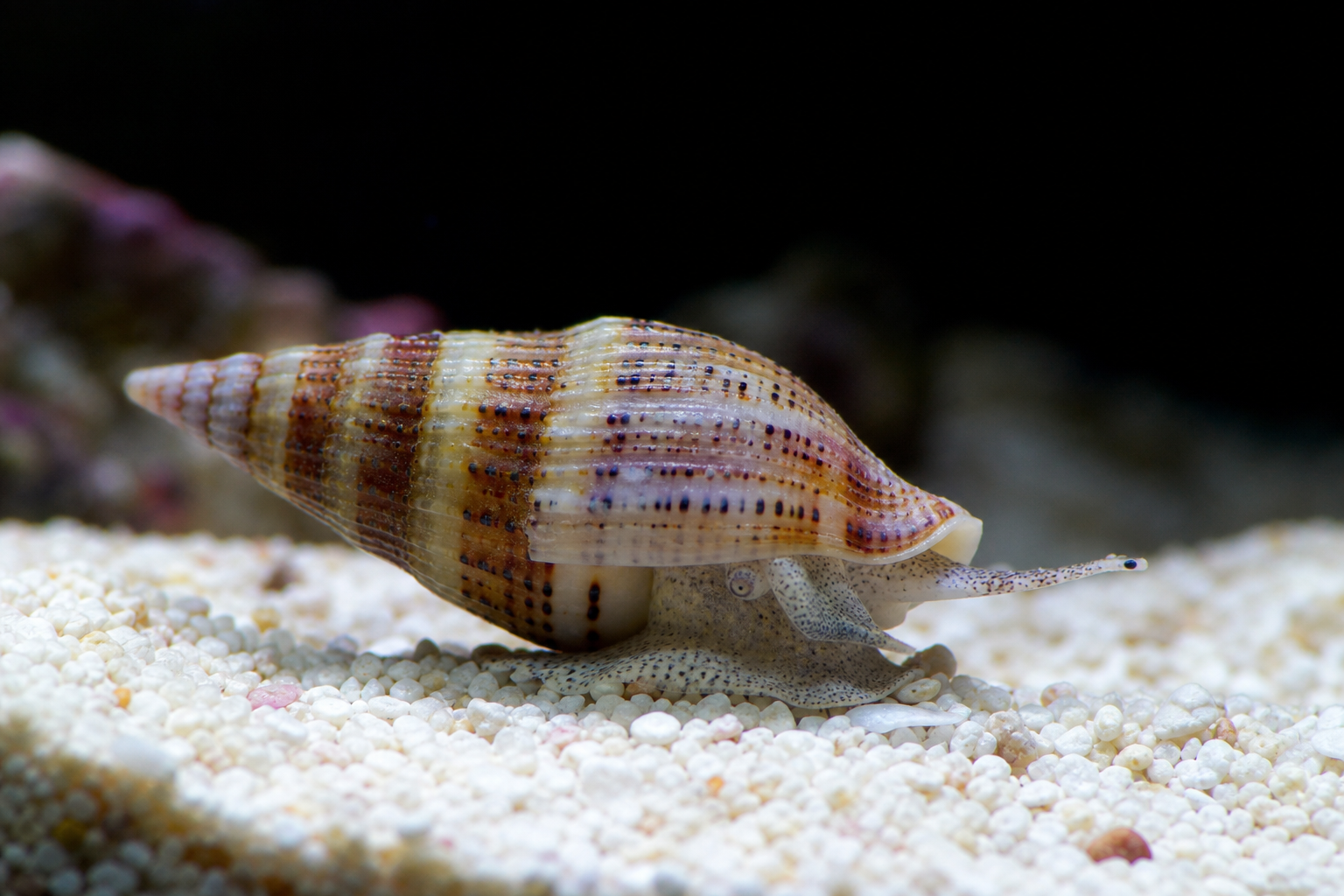
Nassarius Snail
Nassarius snails are sandbed scavengers that specialize in cleaning up leftover meaty food, not algae. They live buried in the sand and rely on...
 ARTICLE
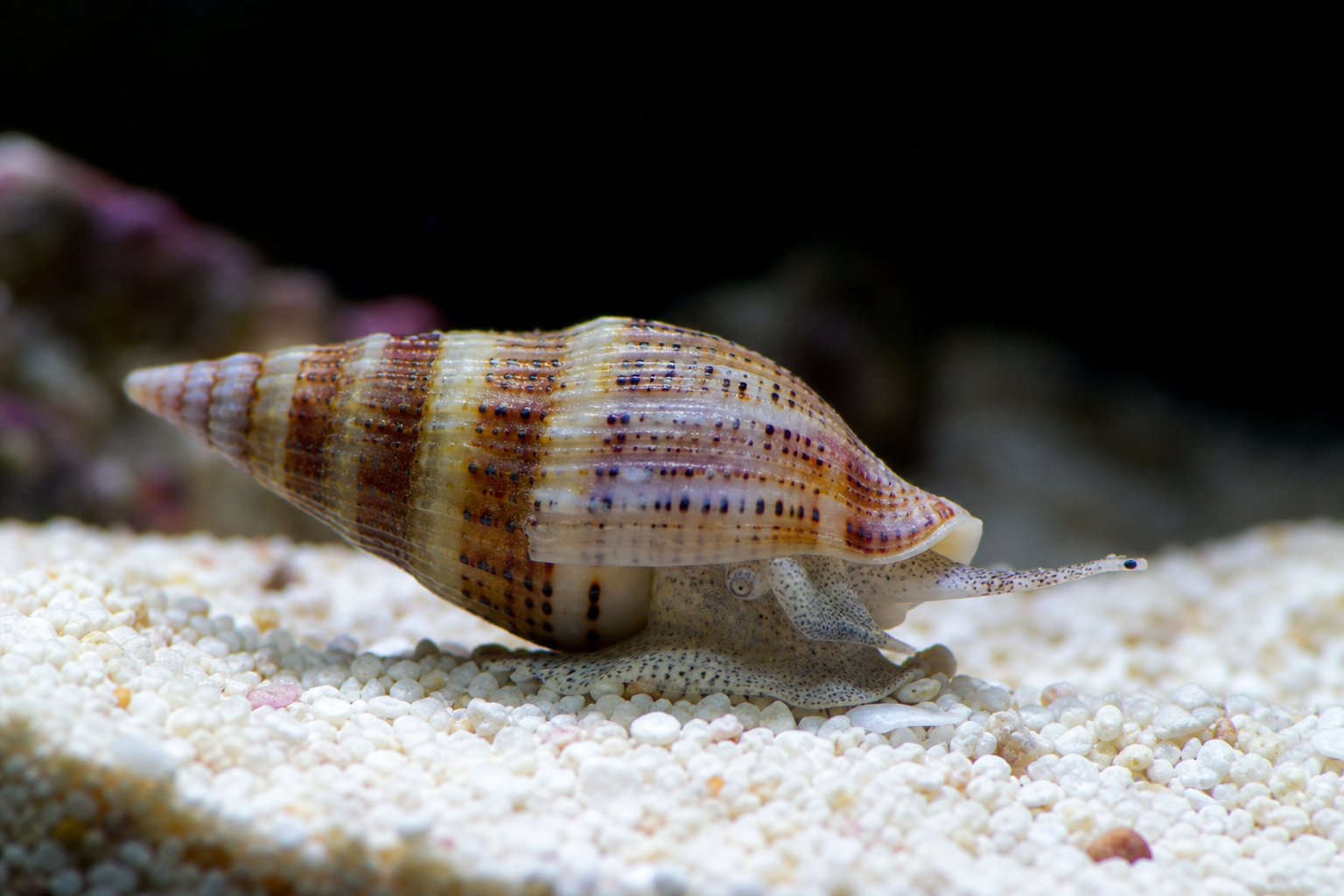
Turbo Snail
Turbo snails are powerful algae grazers best used as a targeted response when algae needs to be knocked back quickly. They’re reef safe biologically,...
 ARTICLE
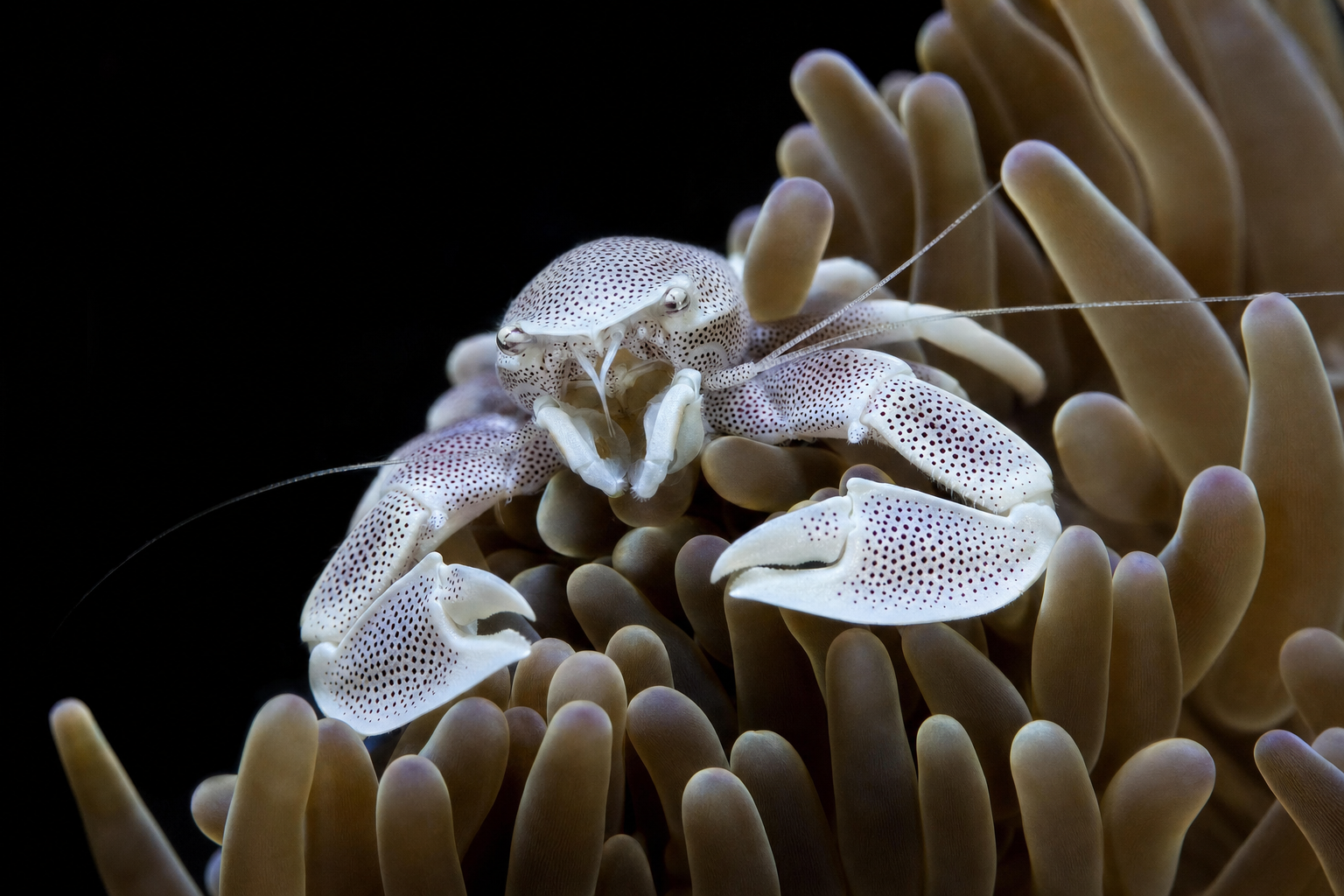
Anemone Crab
Anemone crabs are specialized, symbiotic crabs that depend on a healthy host anemone to thrive. They do best in stable, established tanks where food...
 ARTICLE
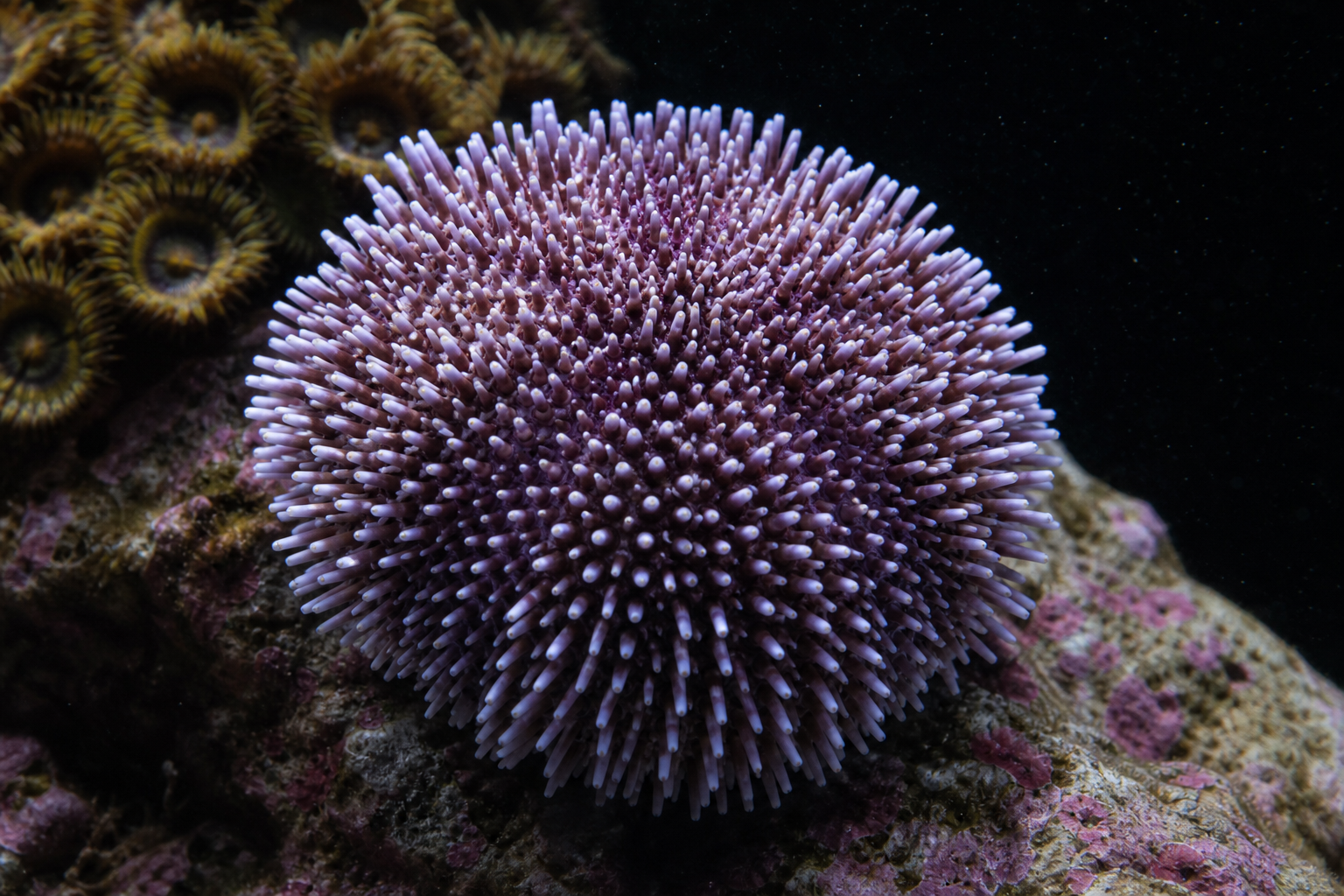
Pincushion Urchin
Pincushion urchins are small, reef-friendly algae grazers that work well in mixed reefs when given enough food. They’re generally gentle but can knock over...
 ARTICLE
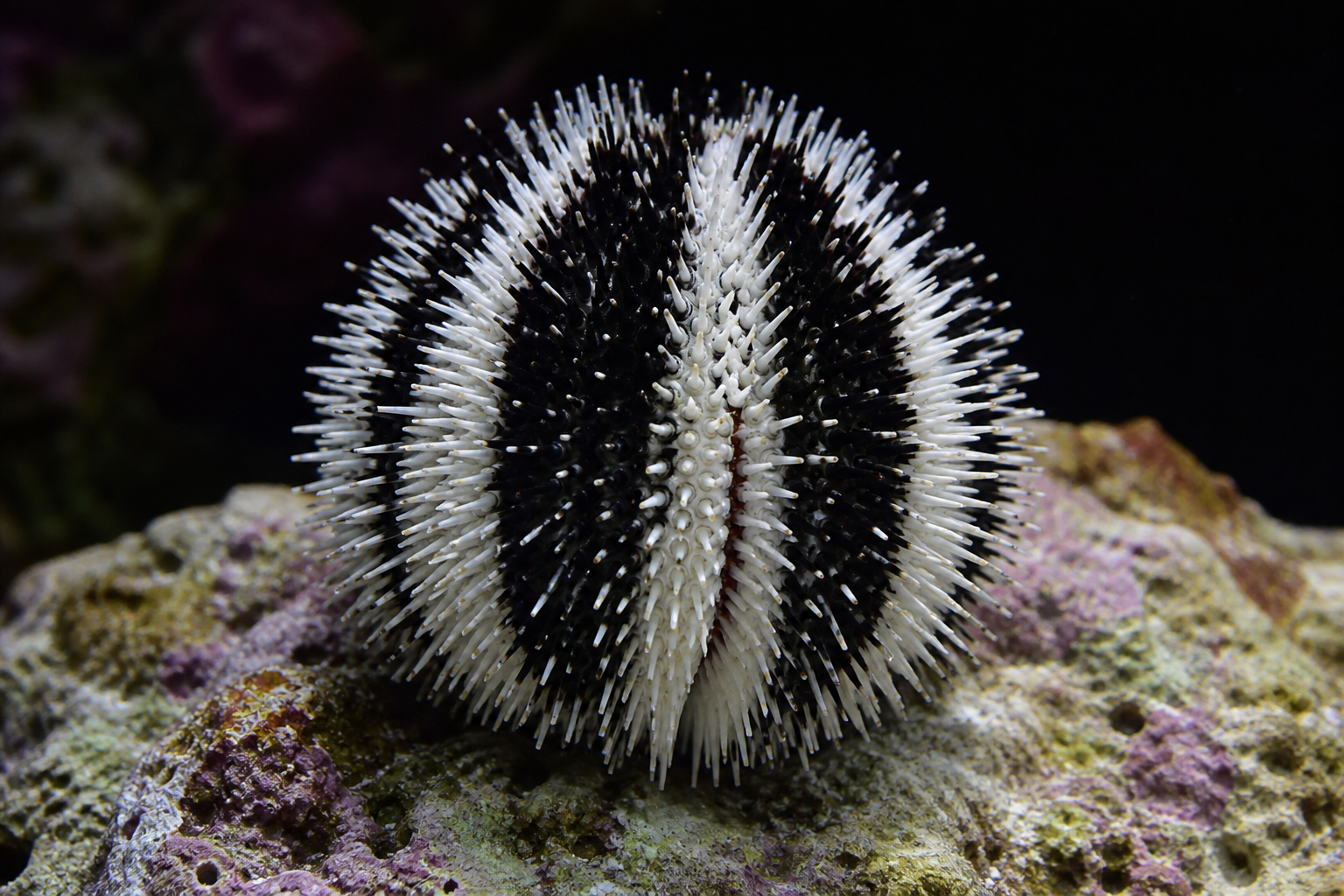
Tuxedo Urchin
Tuxedo urchins are small, reef-friendly algae grazers that excel at controlling film algae and biofilm in mixed reefs. They’re generally gentle, but will move...
 ARTICLE
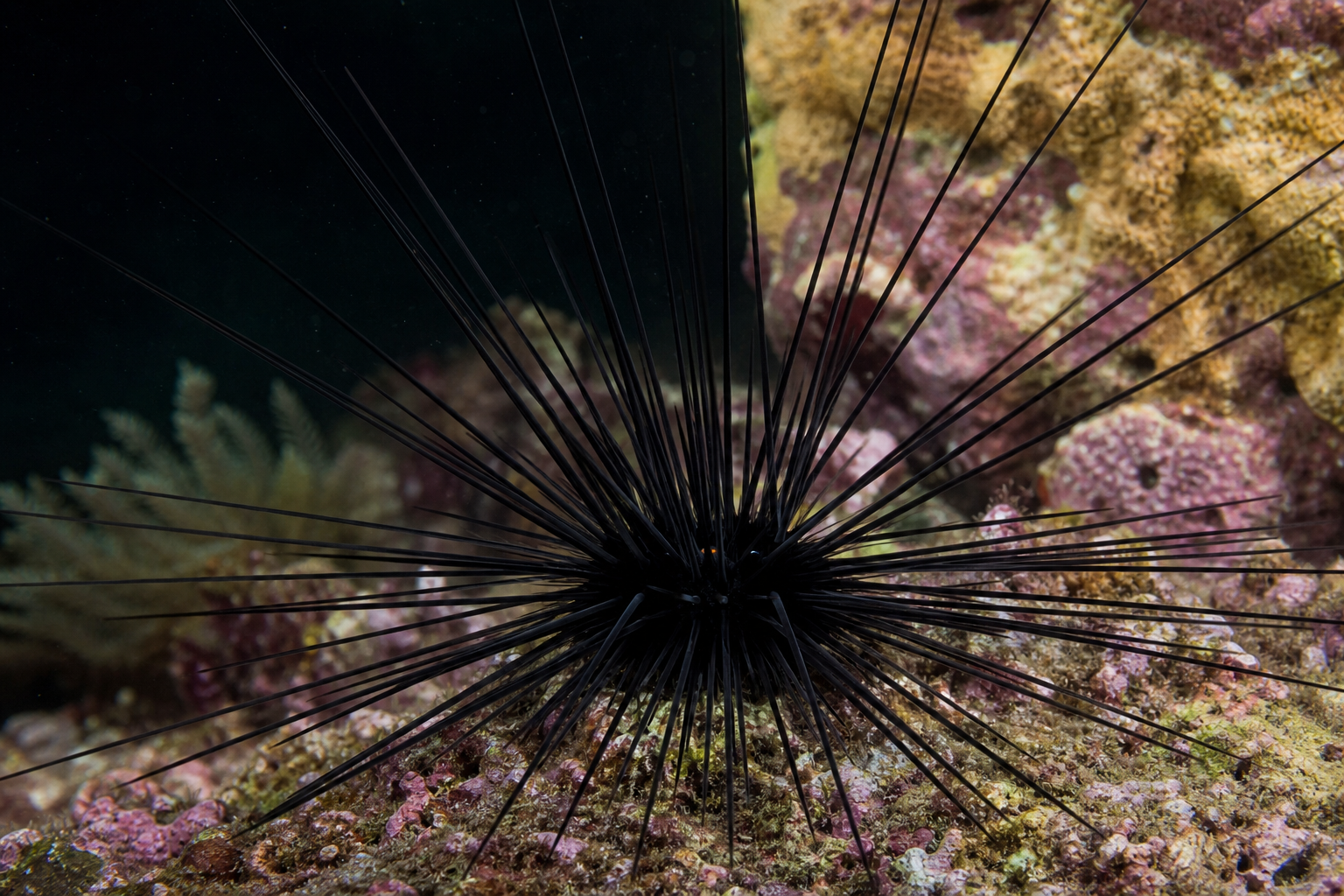
Longspine Urchin
Longspine urchins are powerful algae grazers best suited for large, well-secured reef tanks. They’re reef safe biologically, but their size, spines, and strength make...
 ARTICLE
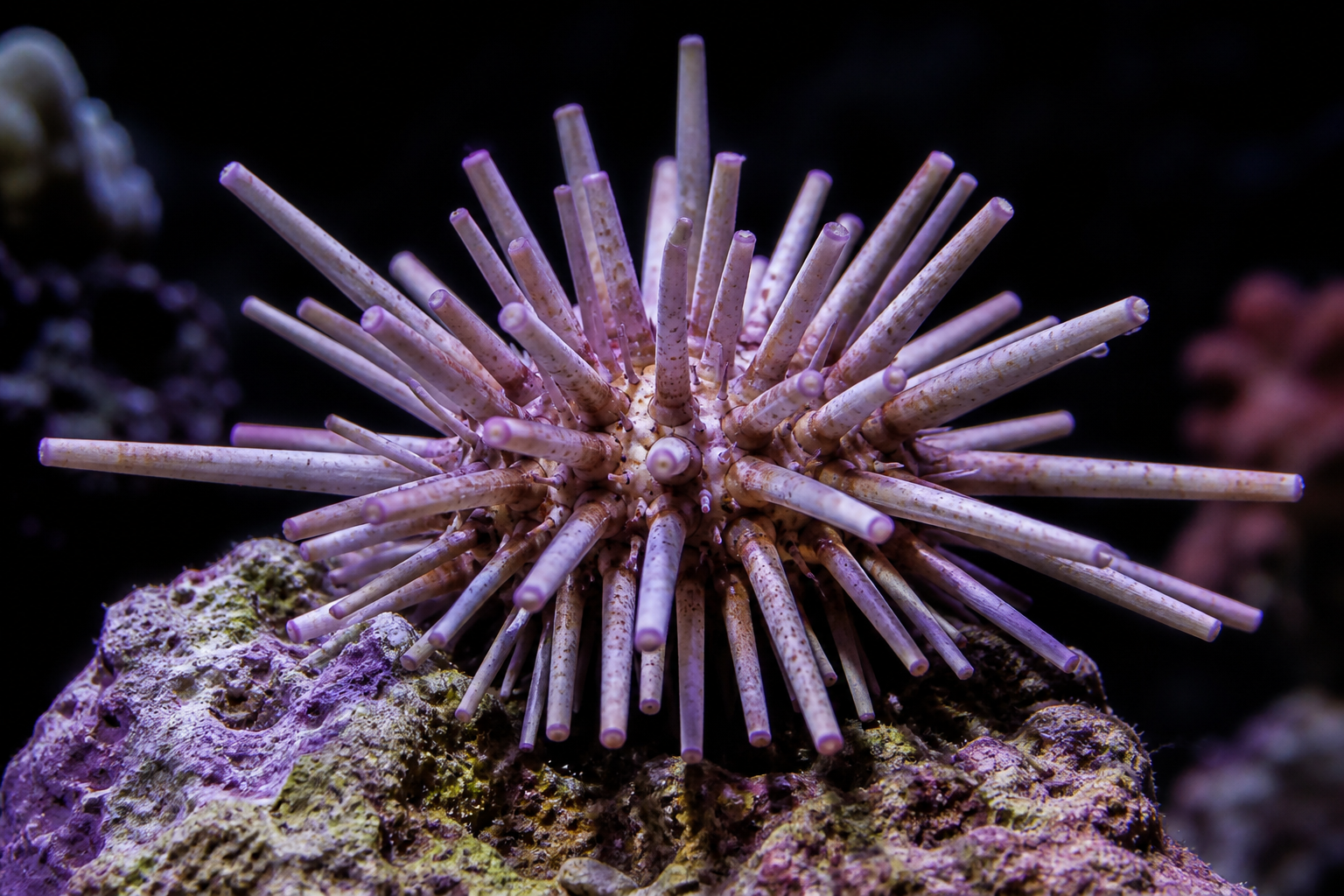
Pencil Urchin
Pencil urchins are strong, opportunistic algae grazers that work best in rugged, well-secured systems. They’re reef safe with caution, not because they eat corals,...
 ARTICLE
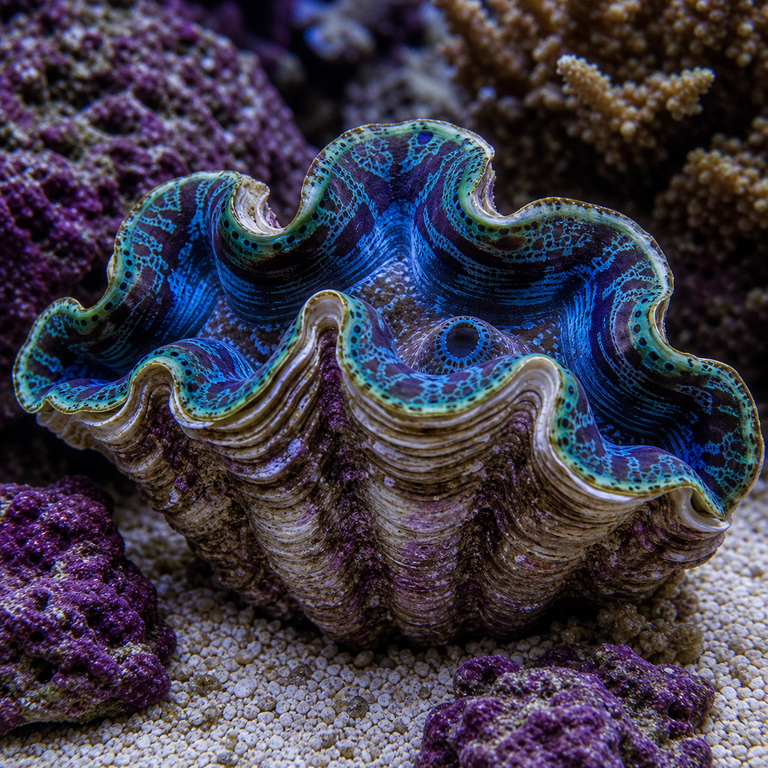
Derasa Clam
Derasa clams are one of the more forgiving giant clams, but they still require a stable, mature reef with consistent lighting and chemistry. They...
 ARTICLE
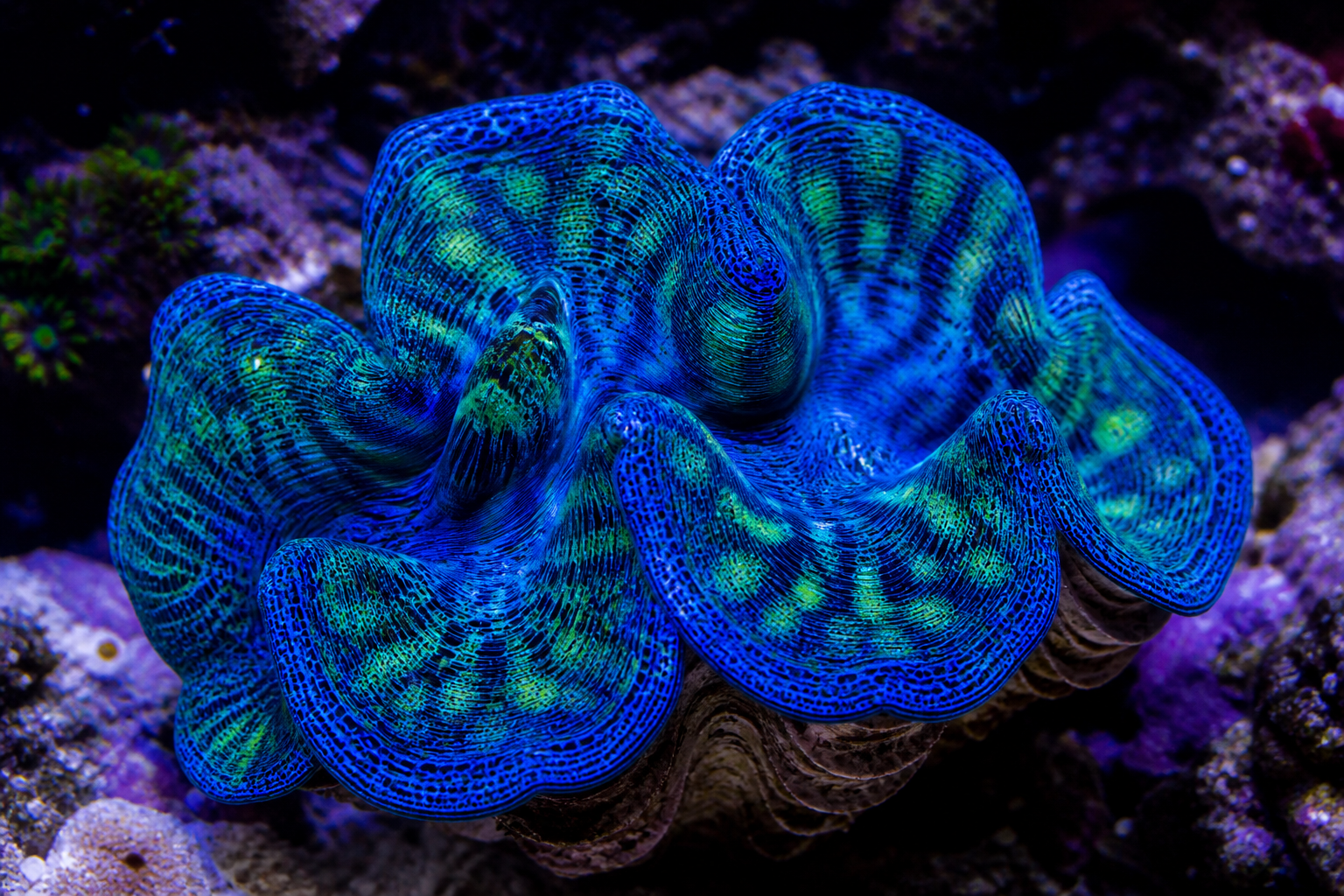
Maxima Clam
Maxima clams are high-light, light-driven clams that do best in mature, stable reef systems. They need strong, consistent lighting, steady alkalinity and calcium, and...
 ARTICLE
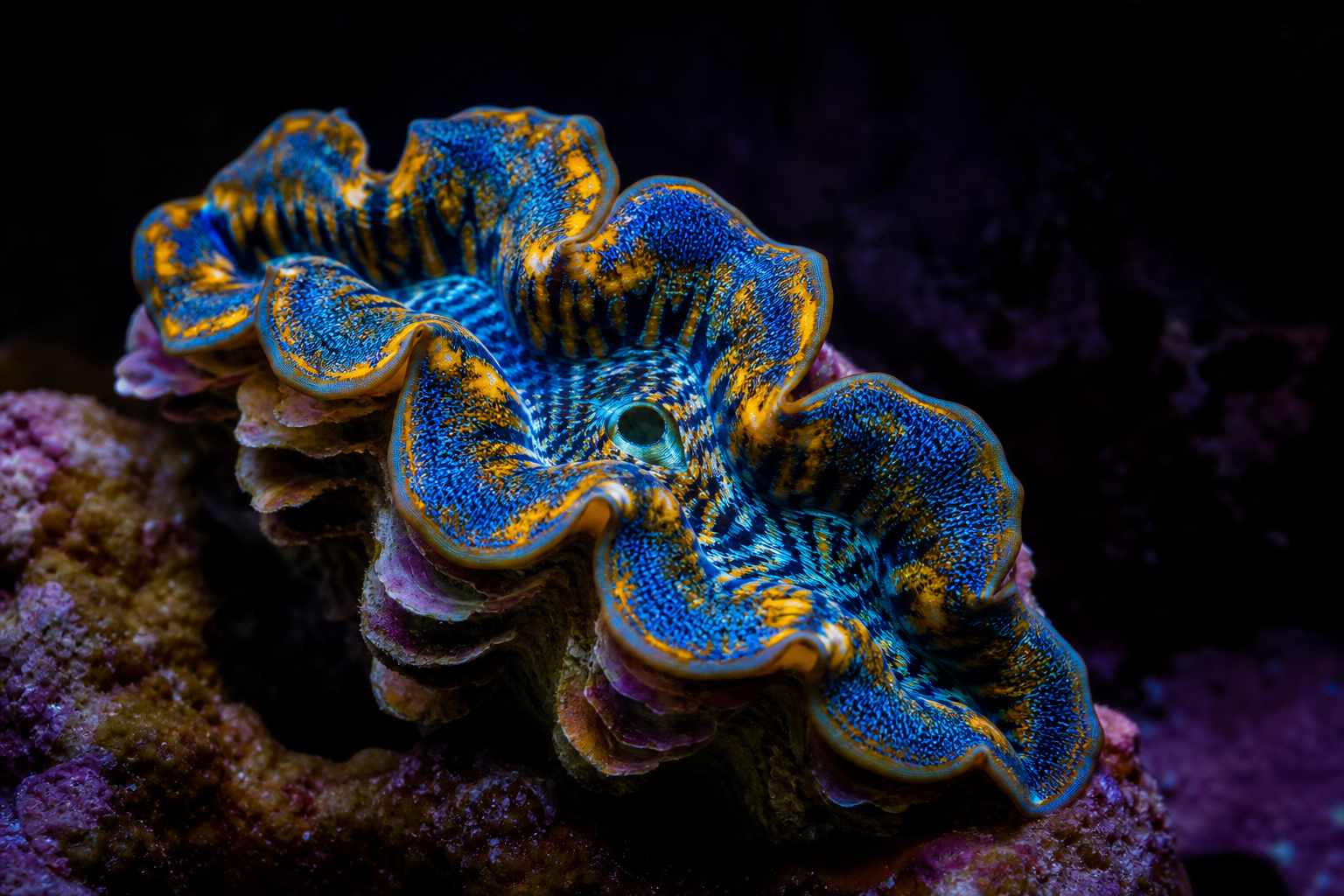
Crocea Clam
Crocea clams are high-light, rock-dwelling giant clams that demand stable chemistry and strong, consistent lighting. They’re sensitive to alkalinity swings, poor placement, and system...
 ARTICLE
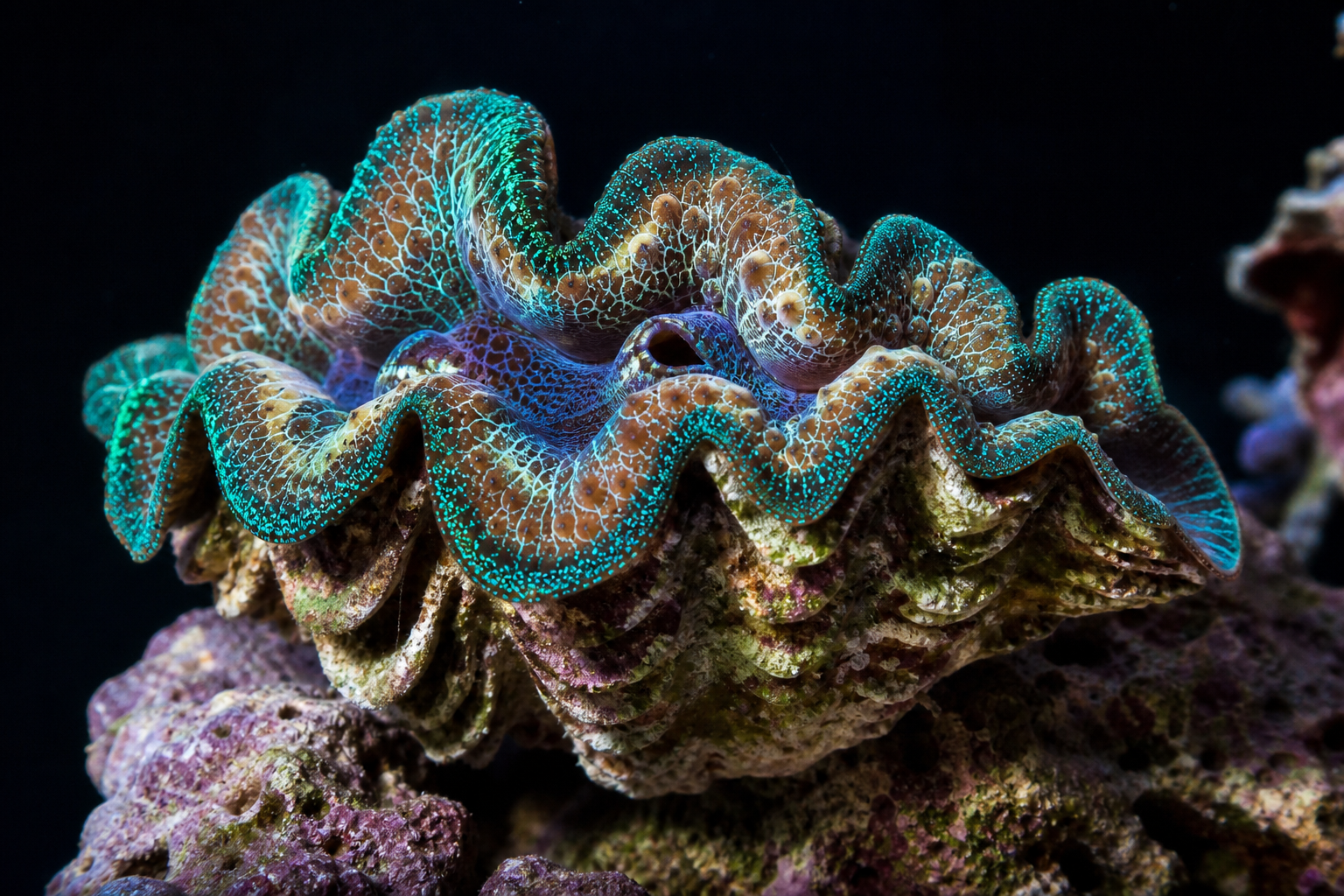
Squamosa Clam
Squamosa clams are one of the more forgiving giant clams, but they still require a stable, mature reef with consistent lighting and chemistry. They...
 ARTICLE
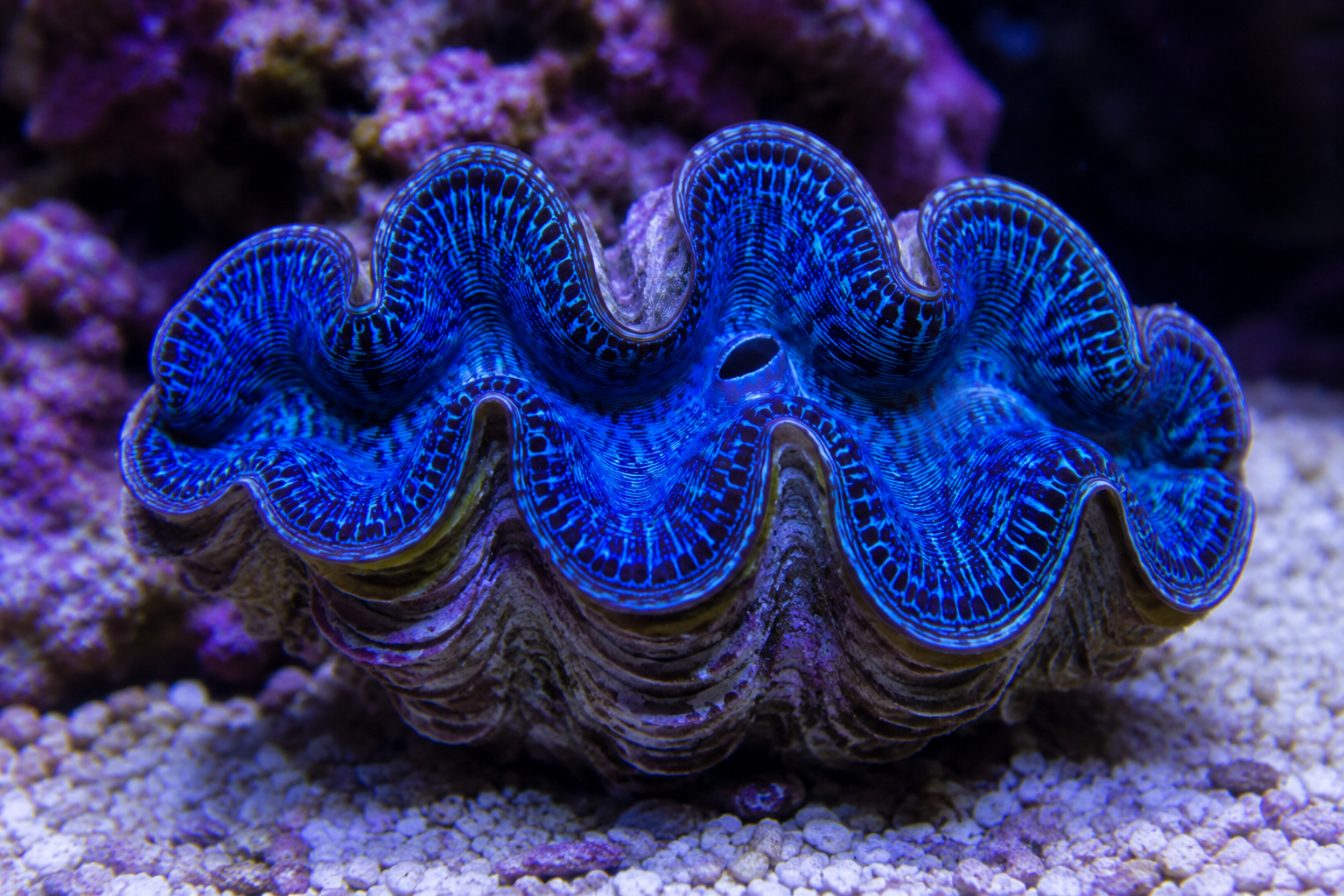
Tridacna Clam
Tridacna clams are light-driven reef animals that thrive only in stable, mature systems. Strong, consistent lighting and steady alkalinity and calcium matter far more...
 ARTICLE
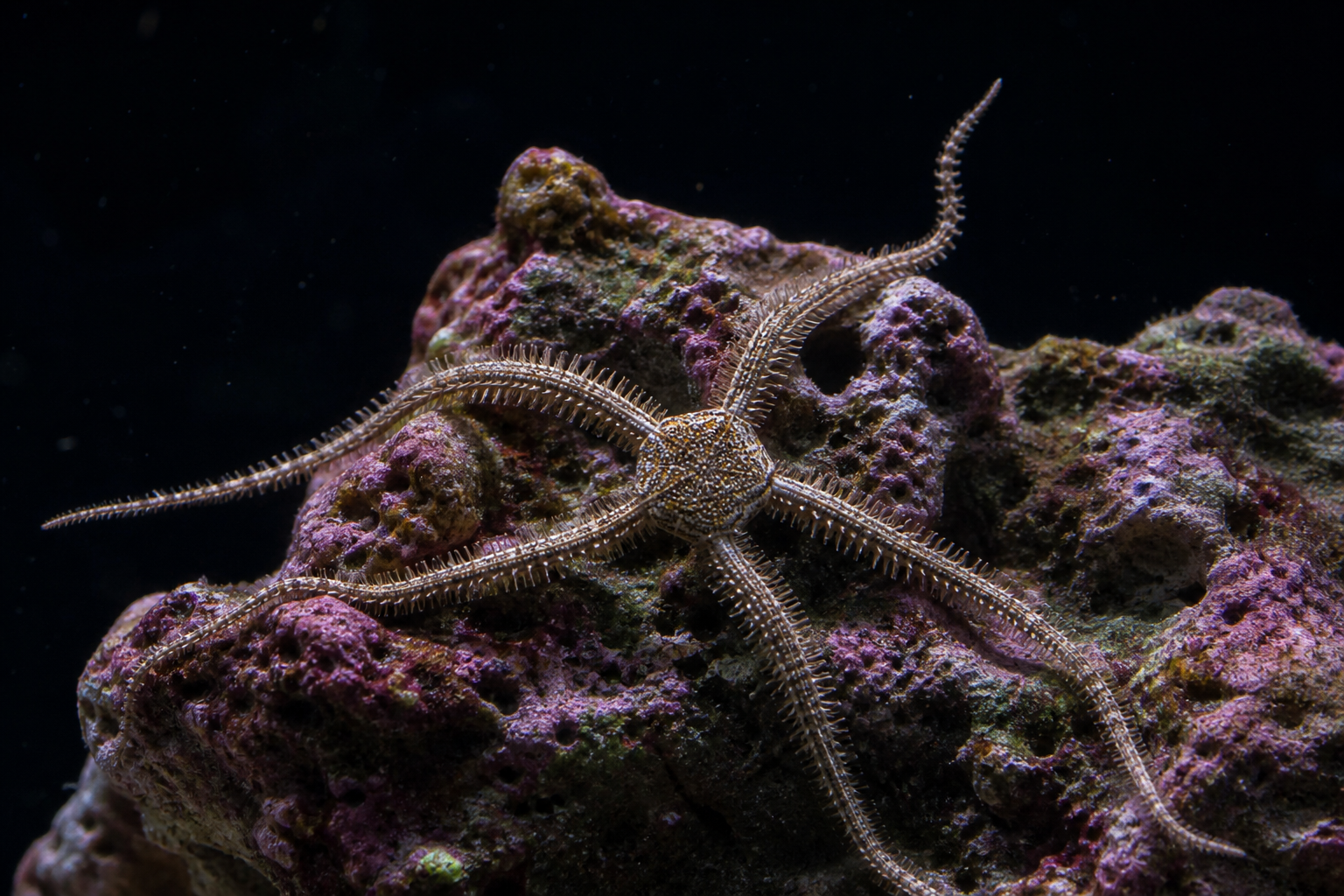
Sand-Sifting Starfish
Sand-sifting starfish clean sand by consuming the life within it, which makes them one of the most common slow-failure inverts in reef tanks. While...
 ARTICLE
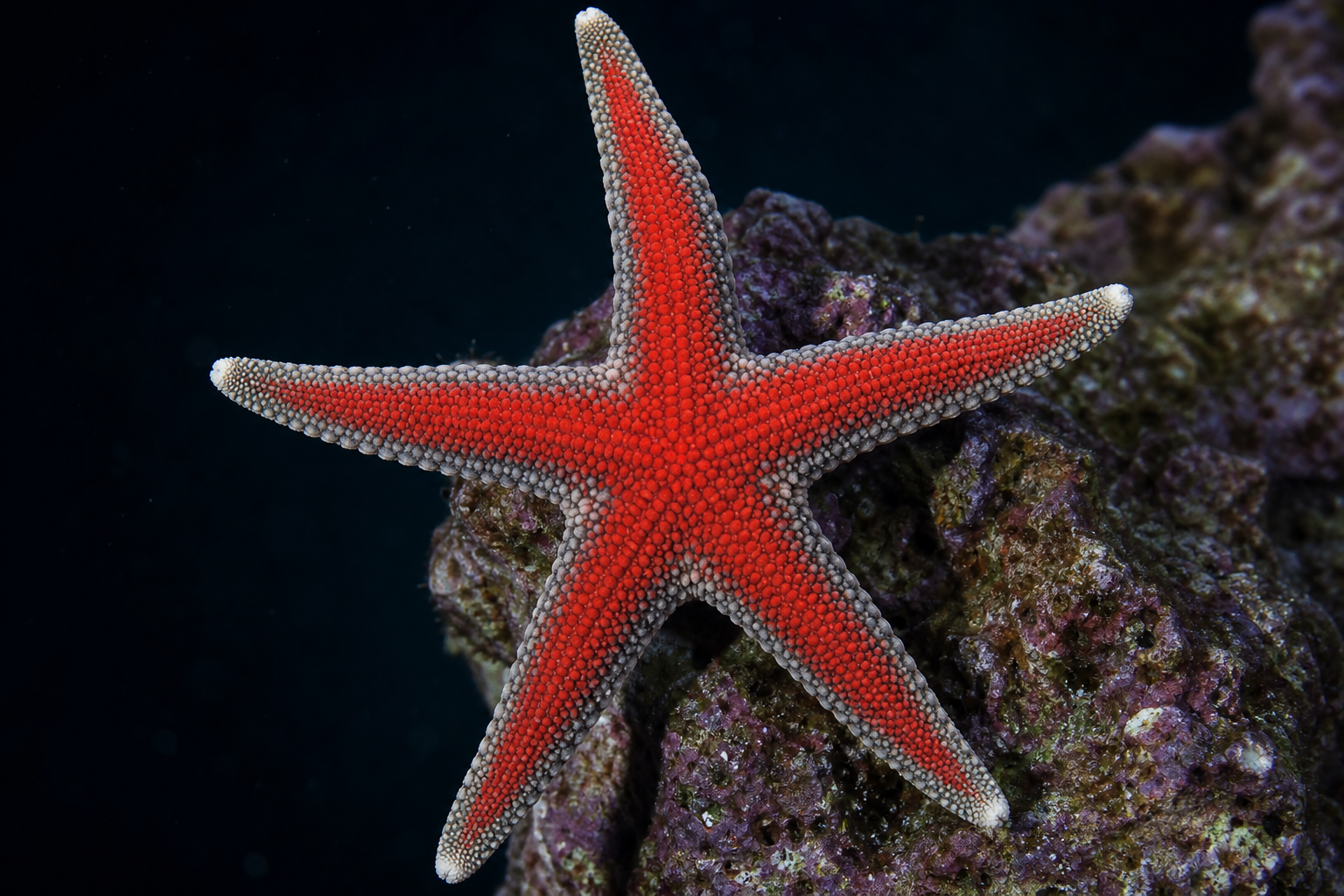
Fromia Starfish
Fromia starfish are beautiful but demanding invertebrates that rely on mature reef surfaces for food. They require large, well-established tanks with abundant biofilm and...
 ARTICLE
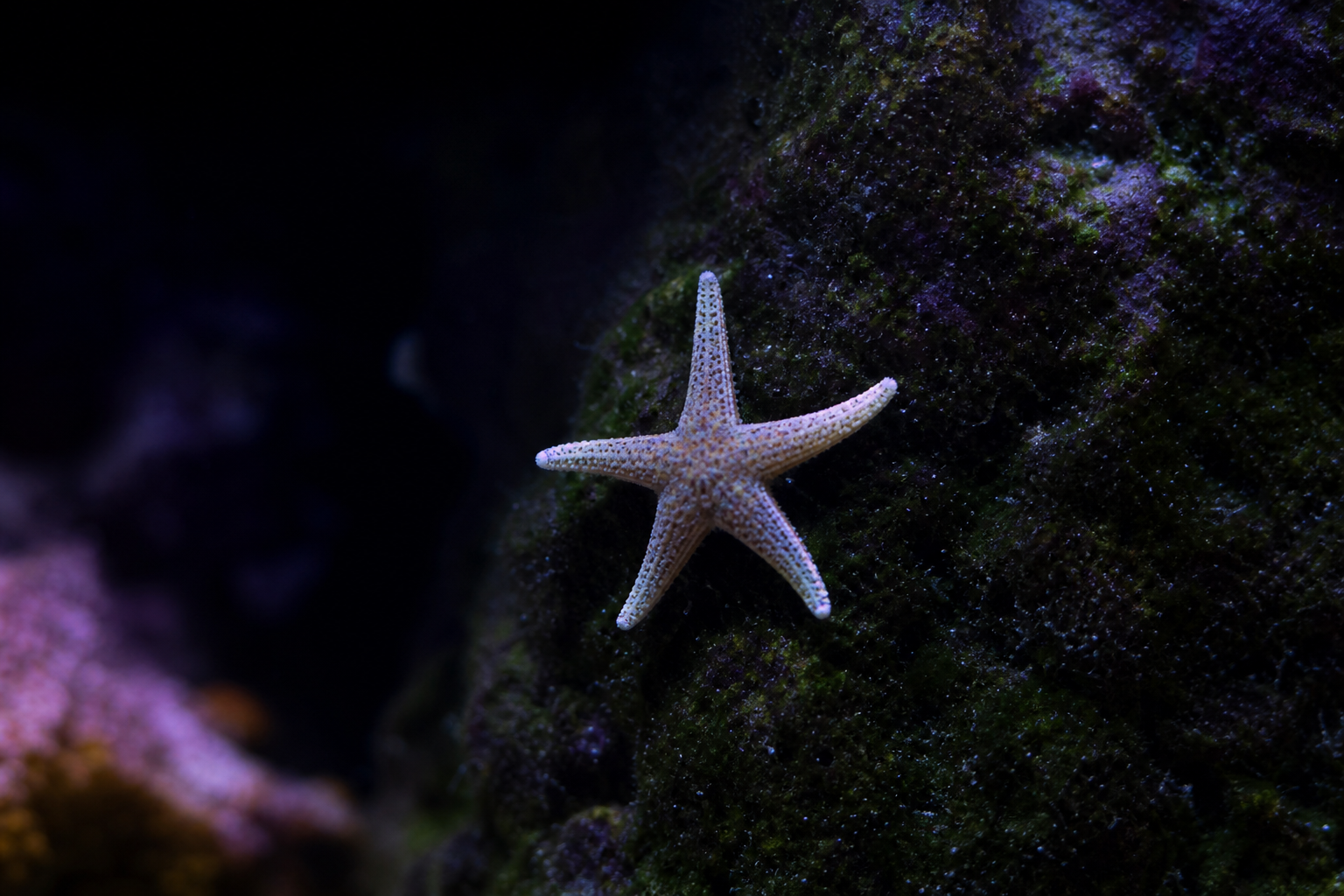
Asterina Starfish
Asterina starfish are common hitchhikers that usually act as harmless algae and biofilm grazers. In balanced tanks they stay in low numbers and do...
 ARTICLE
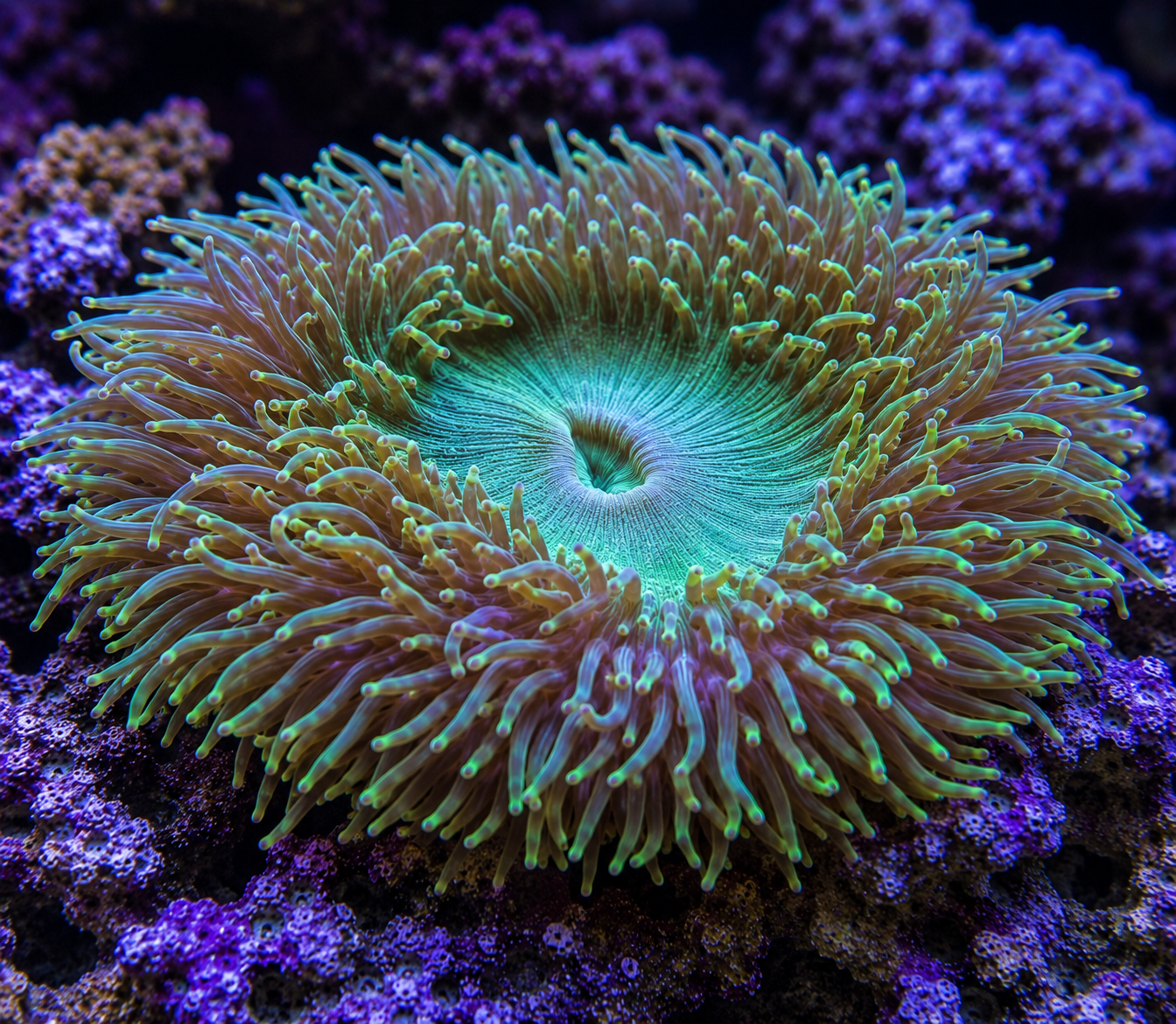
Majano Anemone
Majano anemones are pest hitchhikers that can sting corals and spread quickly in reef tanks. Remove or control them early—once established, they’re difficult to...
 ARTICLE
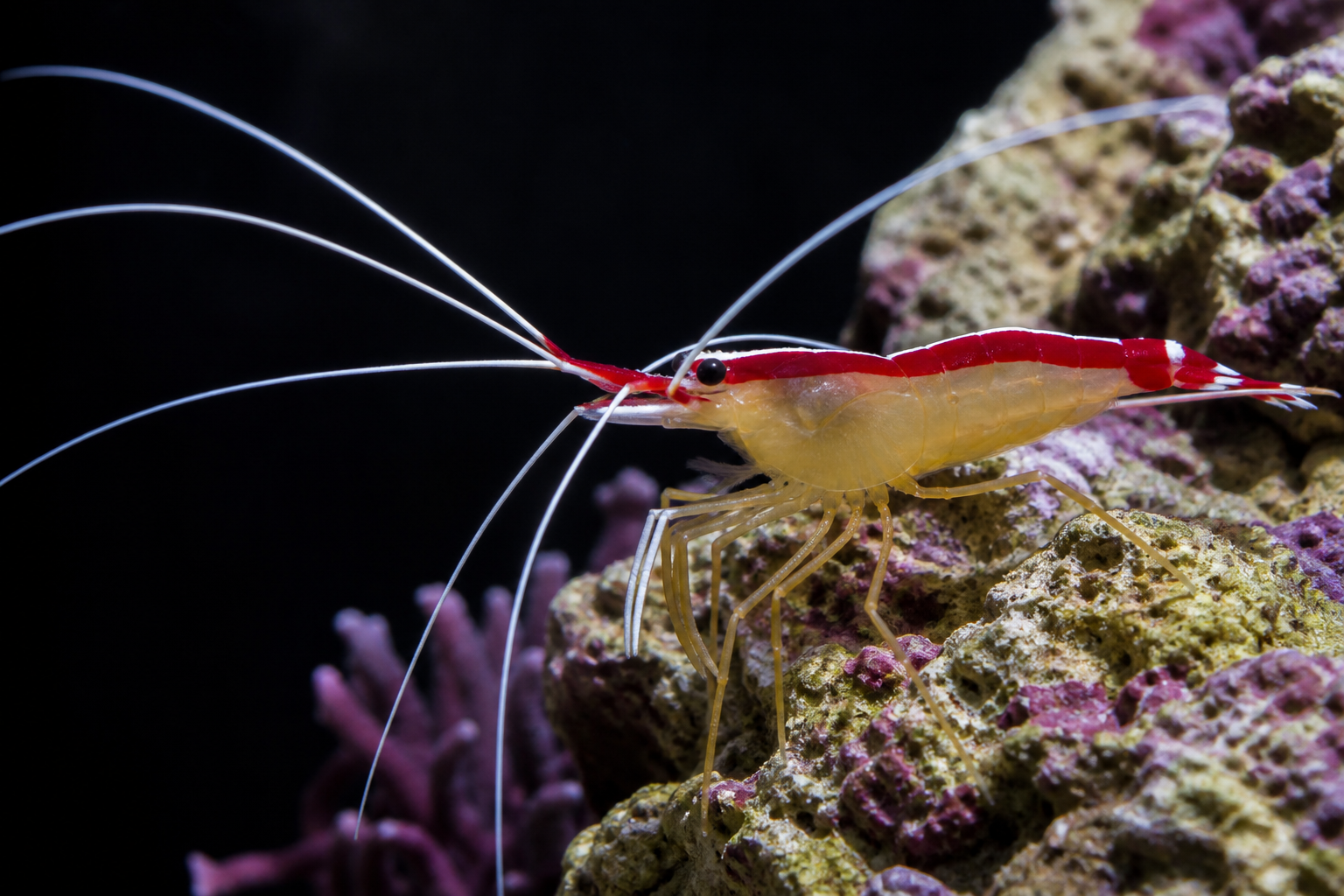
Mantis Shrimp (Stomatopoda)
Mantis shrimp are predatory hitchhikers that often reveal themselves through clicking sounds and disappearing snails or hermits. They’re fascinating animals, but not reef-safe in...
 ARTICLE
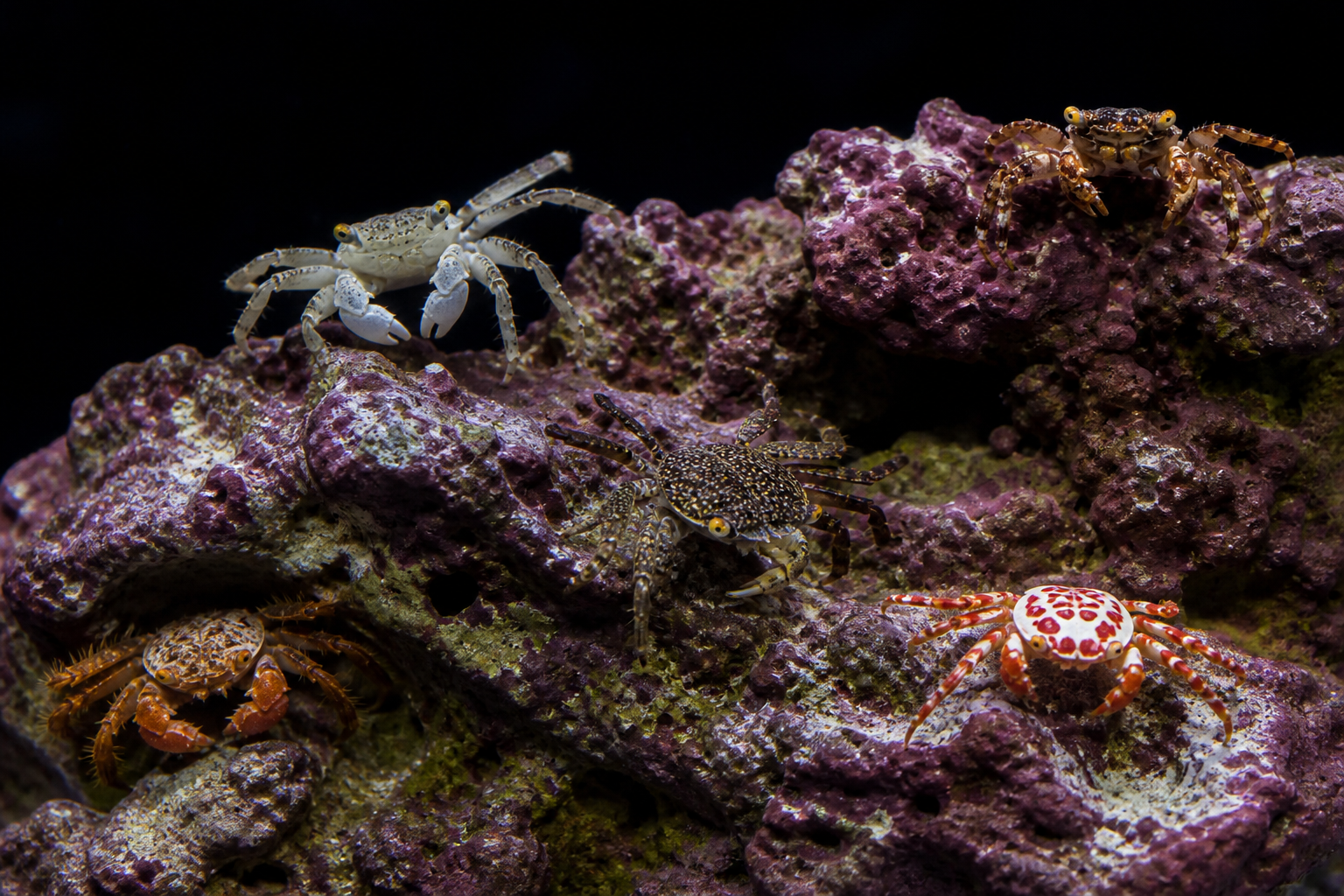
Gorilla Crabs
Gorilla/xanthid crabs are common hitchhikers that can become predators in reef tanks, often causing mystery snail and hermit losses. Because many are nocturnal and...
ARTICLE
Ball Anemone
Ball anemones are hardy corallimorph hitchhikers that hide in shaded crevices and feed like tiny ambush predators. They can sting nearby corals and irritate...