Overview
Bristleworms are one of the most misunderstood animals in reef tanks because they look alarming and show up when the lights go out. A new reefer sees a segmented worm with white bristles and assumes disaster. In many tanks, the truth is much less dramatic: the worm is helping clean leftover food and detritus.
That does not mean every bristleworm should be celebrated blindly. It means the first job is to separate common useful scavengers from genuinely problematic worms and from husbandry patterns that allow any scavenger population to explode.
Quick Recognition Snapshot
- Type: Common scavenging hitchhiker worm
- Typical role: detritus cleanup and leftover food consumption
- Common concern: painful bristles, ugly appearance, nighttime sightings
- Best first action: identify the worm and its behavior before deciding it is a pest
- Trust note: most ordinary bristleworms are not reef emergencies
What They Are
Bristleworms are segmented marine worms with rows of bristles used for defense and movement. In reef tanks they often arrive as hitchhikers in live rock, coral bases, or substrate. Many stay hidden by day and emerge at night to scavenge.
That scavenger role is why they often increase in tanks with extra food or accumulating detritus. A rising bristleworm population can say as much about the tank's feeding pattern as it does about the worms themselves.
What They Do In A Tank
In most mixed reefs, common bristleworms:
- eat leftover food
- consume detritus and decaying material
- help recycle waste in rock and substrate
- stay mostly out of sight except at night
They become more concerning when a keeper is seeing very large individuals regularly, finding them inside weakened coral tissue, or confusing them with more aggressive fireworm types.
Common Mistakes
- Declaring war on every bristleworm immediately
Many are useful members of the cleanup web.
- Ignoring overfeeding while blaming the worms
More excess food usually means more scavengers.
- Handling them bare-handed
The bristles can be irritating and painful.
- Confusing common bristleworms with fireworms
Not all segmented bristled worms are the same risk.
- Assuming seeing one at night means infestation
Night activity is normal behavior.
What To Do Next
A smart response usually means:
- identify whether the worm is a typical scavenger or a more concerning species
- review feeding and detritus accumulation
- monitor whether coral damage is actually occurring
- remove individual worms only when there is a specific reason
- use tools or gloves, not bare fingers
If the tank is clean, fish and corals are fine, and the worms are just doing cleanup work, restraint is often the right move.
Notes And Similar Lookalikes
Bristleworms can be confused with:
- bearded fireworms and other more aggressive polychaetes
- predatory hitchhiker worms
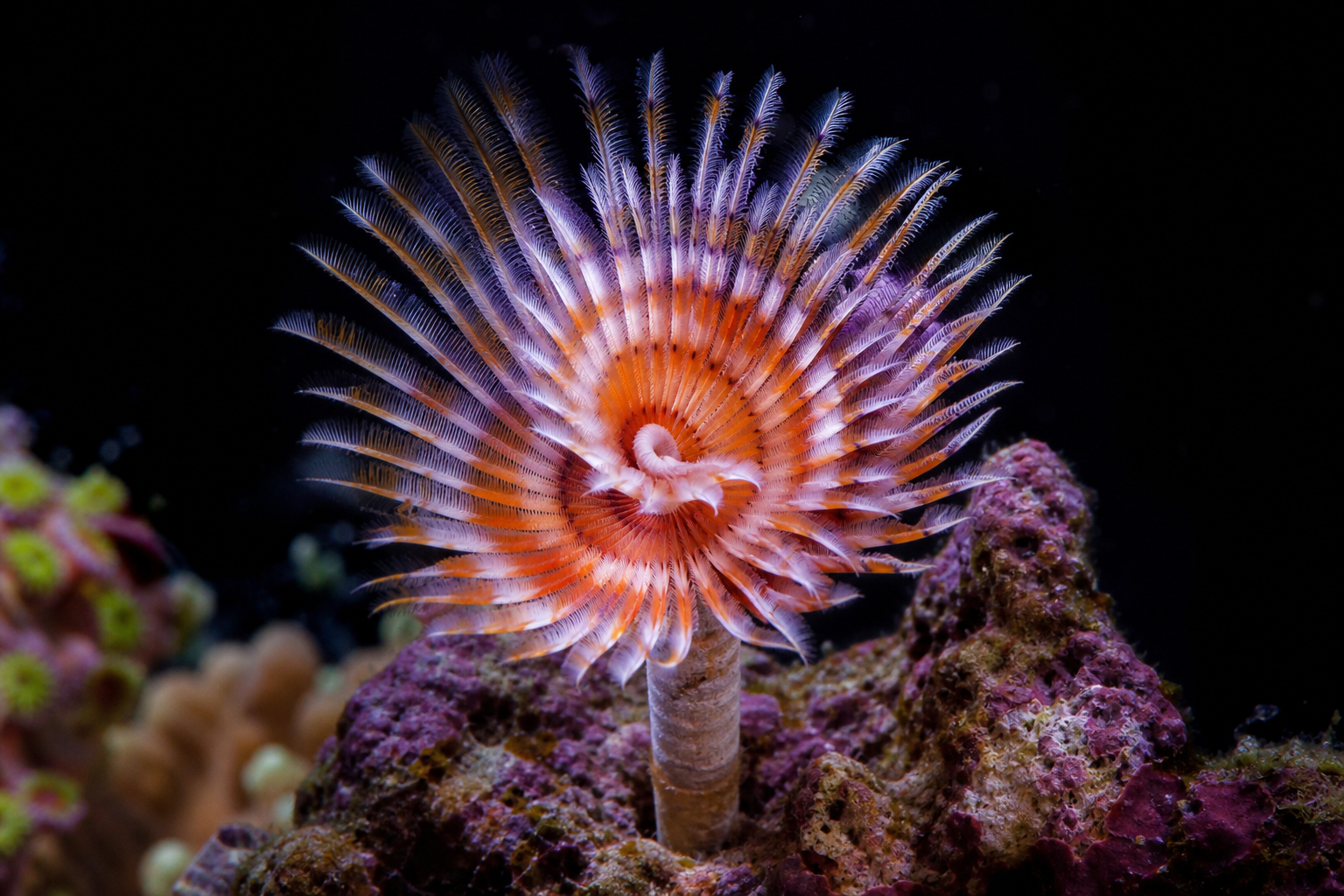
- harmless feather duster relatives that live differently
Size, coloration, behavior, and whether living tissue is being damaged all matter when separating "ugly but useful" from "remove this one."
Final Thoughts
Bristleworms are a good test of reefkeeping maturity. Early on, they look like a problem. Later, many keepers realize they are often just part of the cleanup crew, and the better question is whether the tank is producing more leftovers than it should.